

Chemical Discovery And The Logicians' Program Paperback
نوصي
ترتيب حسب
تقييم
انشأ من قبل
Specifications
الكاتب 1
Jerome A. Berson
وصف الكتاب
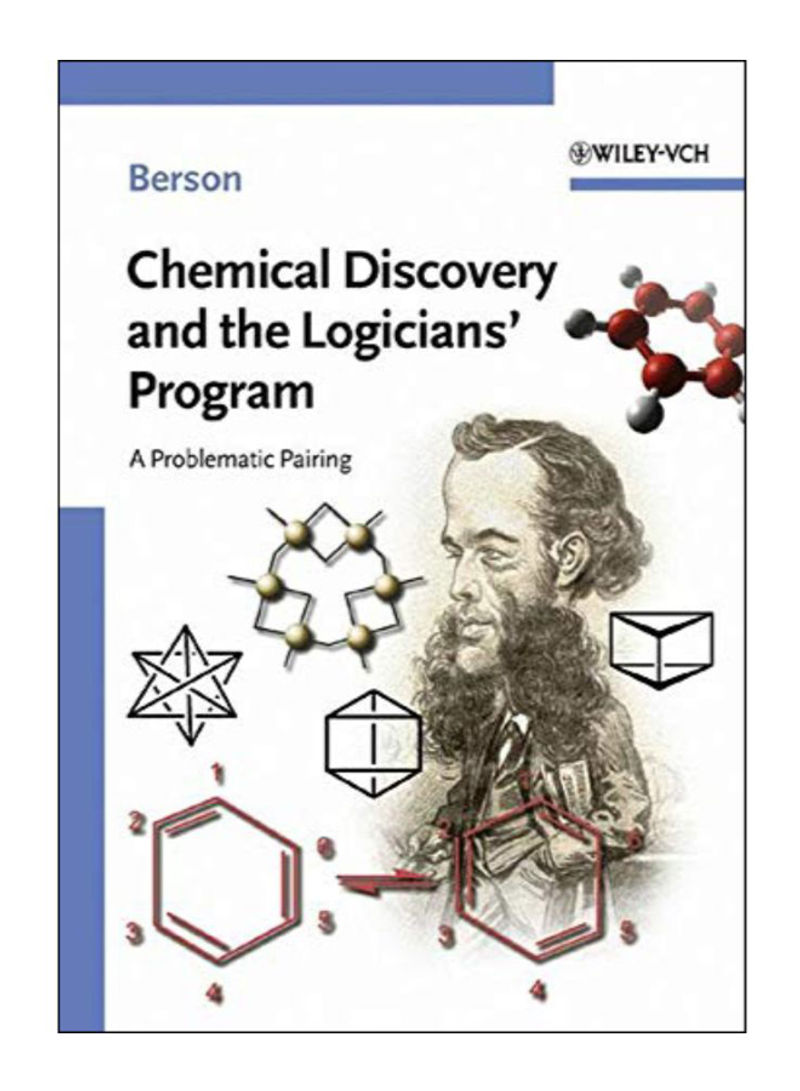
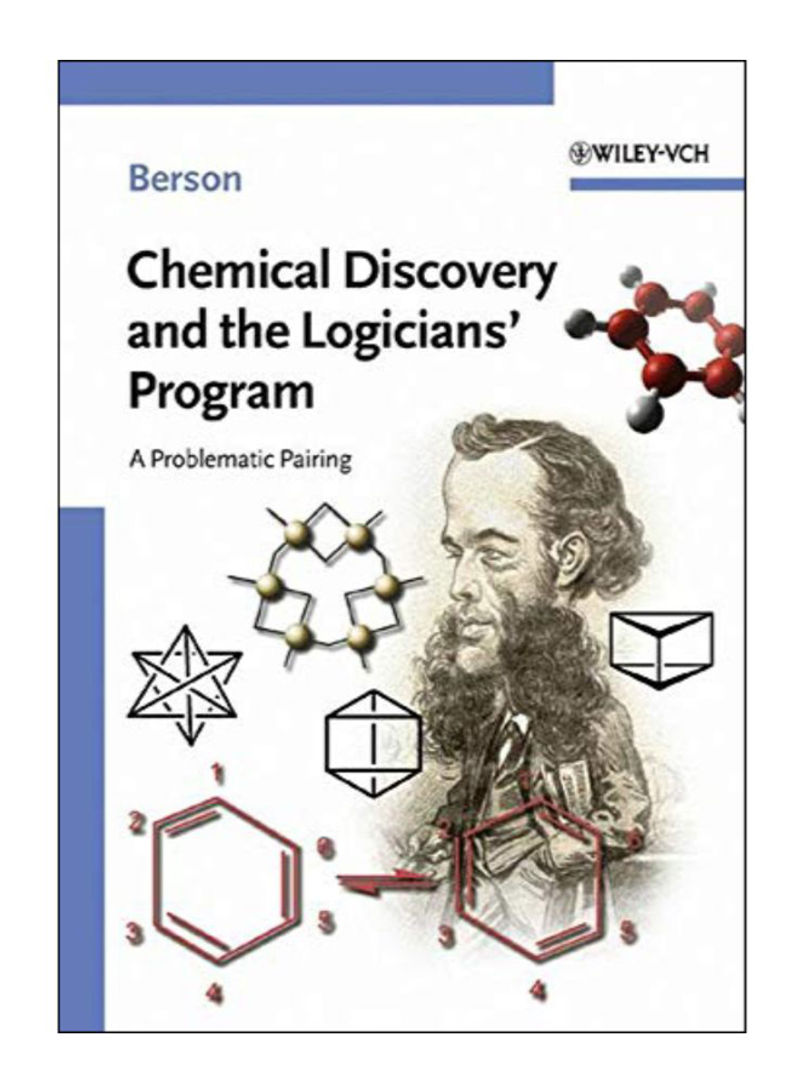
What is it that turns a new observation into a true scientific discovery? And who may claim the credit? Theoreticians of science, the foremost thinkers of their times among them, have tried to answer these fundamental questions about the nature of scientific progress and discovery. With clear insight and the chemical as well as philosophical wisdom gained from over fifty years as a practising chemist, Jerome Berson puts their theories to the test. The development of chemistry into a "modern" science during the last two centuries provides him with ample cases to illustrate the way scientific progress really happens.Kekule's struggle to arrive at a structure for benzene, the paradigm change that was necessary to accept the reality of molecular rearrangements, and other episodes are retold here from the philosopher's as well as from the practitioner's perspective, shedding light on the way scientists think and act. Berson's account of the rather unphilosophical way in which scientific discoveries are made includes the realization that even a false hypothesis, such as Woodward's ideas about the biosynthesis of strychnine, may help rather than hinder scientific progress. Scientists of all ages, as well as many non-scientists, will find this a highly readable and unusual book.
رقم الكتاب المعياري الدولي 10
3527307974
رقم الكتاب المعياري الدولي 13
9783527307975
اللغة
English
الناشر
Wiley VCH
تاريخ النشر
24-Jul-2003
عدد الصفحات
210
عن المؤلف
Jerome A. Berson received a B.S. in chemistry from the City College of New York in 1944. After a brief period in industry with Hoffmann-LaRoche in New Jersey, he served in the Army of the United States (1944-1946, China-Burma-India Theater). In 1946, he entered graduate study at Columbia University where he took M.A. and Ph.D. degrees with W. von E. Doering. He was a post-doctoral fellow at Harvard University (with R.B. Woodward) in 1949-50. Subsequently, he taught chemistry at the University of Southern California (1950-1963), the University of Wisconsin (1963-1969), and Yale University (since 1969). He is presently Sterling Professor Emeritus of Chemistry at Yale.