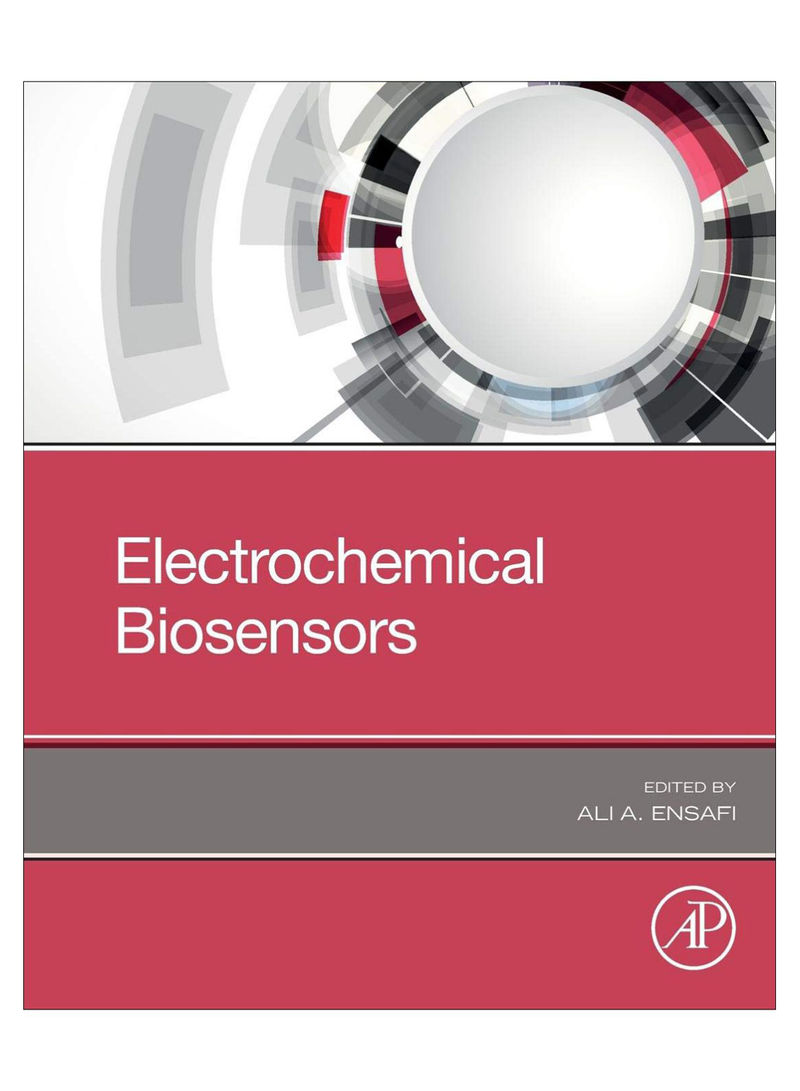


Electrochemical Biosensors Paperback
نوصي
ترتيب حسب
تقييم
انشأ من قبل
Specifications
الكاتب 1
Ali A. Ensafi
وصف الكتاب
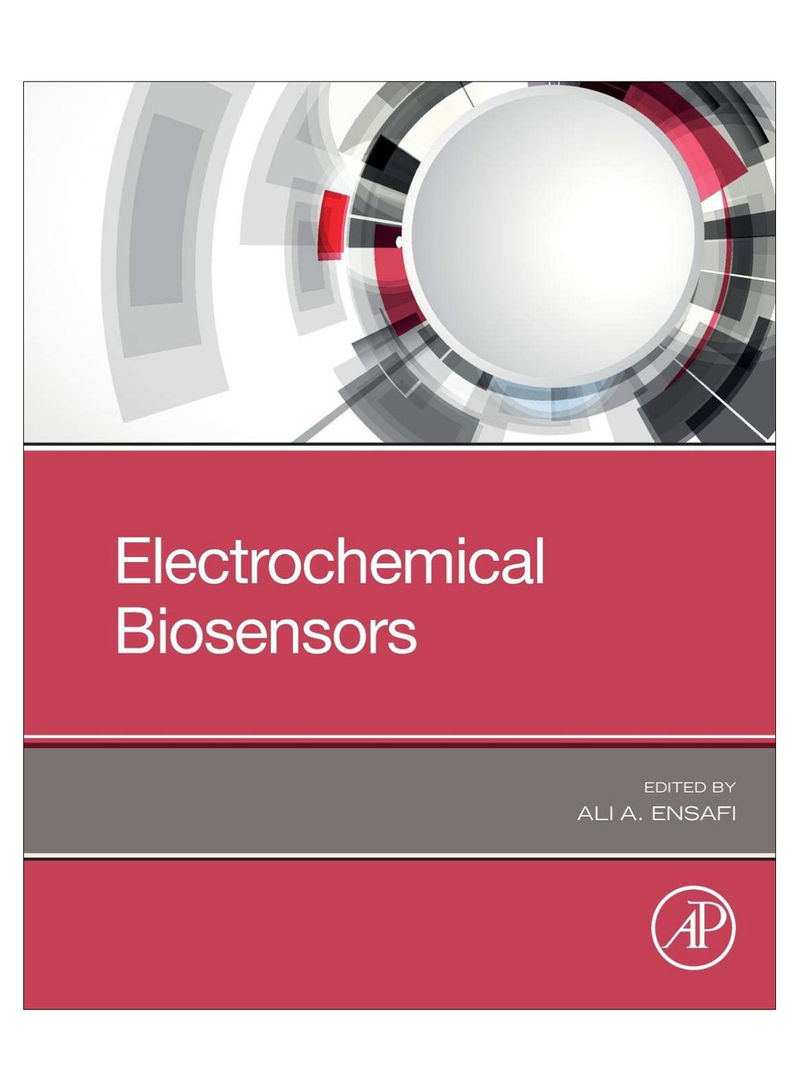
Electrochemical Biosensors summarizes fundamentals and trends in electrochemical biosensing. It introduces readers to the principles of transducing biological information to measurable electrical signals to identify and quantify organic and inorganic substances in samples. The complexity of devices related to biological matrices makes this challenging, but this measurement and analysis are critically valuable in biotechnology and medicine. Electrochemical biosensors combine the sensitivity of electroanalytical methods with the inherent bioselectivity of the biological component. Some of these sensor devices have reached the commercial stage and are routinely used in clinical, environmental, industrial and agricultural applications.
رقم الكتاب المعياري الدولي 10
0128164913
رقم الكتاب المعياري الدولي 13
9780128164914
اللغة
English
الناشر
Elsevier
تاريخ النشر
26-Jul-19
عدد الصفحات
388
عن المؤلف
Professor Ali A. Ensafi received his Ph.D. in 1991 in Analytical Chemistry from Shiraz University, Iran. He then joined the Department of Chemistry at Isfahan University of Technology, Iran. He became full professor in 2001. He is head of the Center of Excellence in Sensors & Green Chemistry of Ministry of Sciences, Research & Technology of Iran. He has published more than 445 ISI papers and given more than 150 international and national oral presentations. He has been awarded three international awards and is co-author of three books (Academic Press & Springer), associate editor of Journal of the Iranian Chemical Society (Springer), and an editorial board member of 13 international scientific journals. His research program is focused on the development of sensors and biosensors (based on electrochemical and spectroscopic methods), important biological and pharmaceutical compounds, and new energy source materials for fuel cells, supercapacitors, and storage energy, using new nanocompounds.