

ترتيب حسب
تقييم
انشأ من قبل
Specifications
الكاتب 1
Henry Plotkin
وصف الكتاب
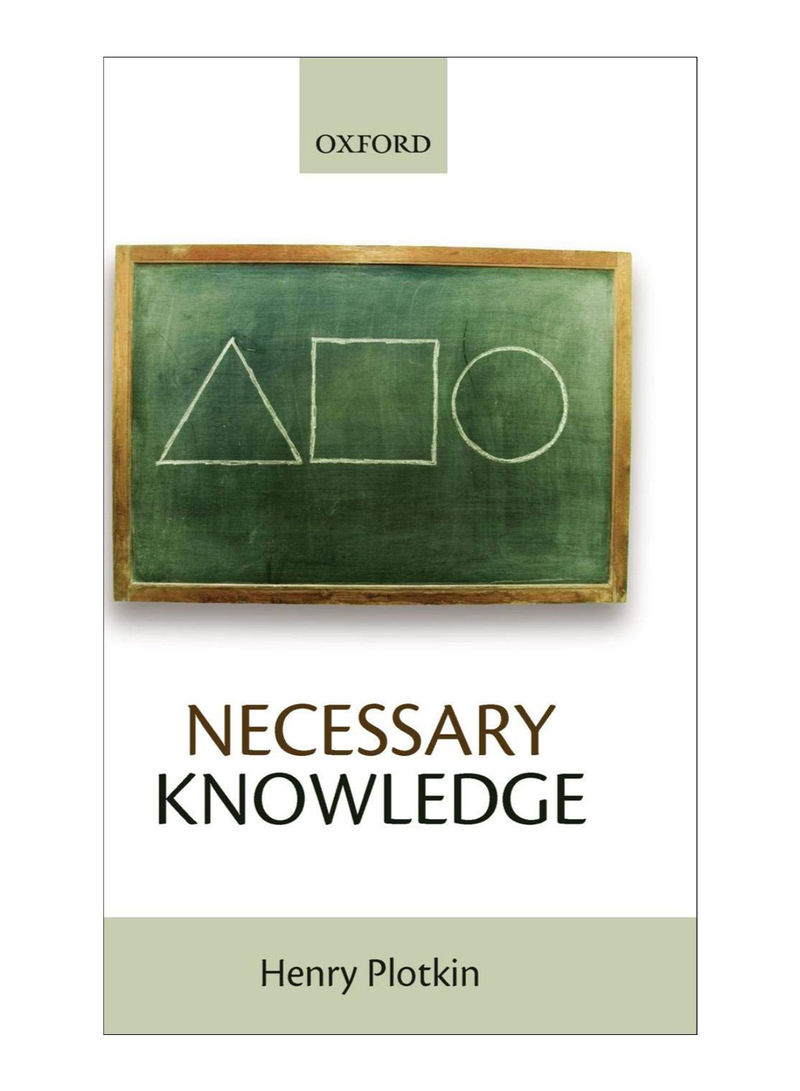
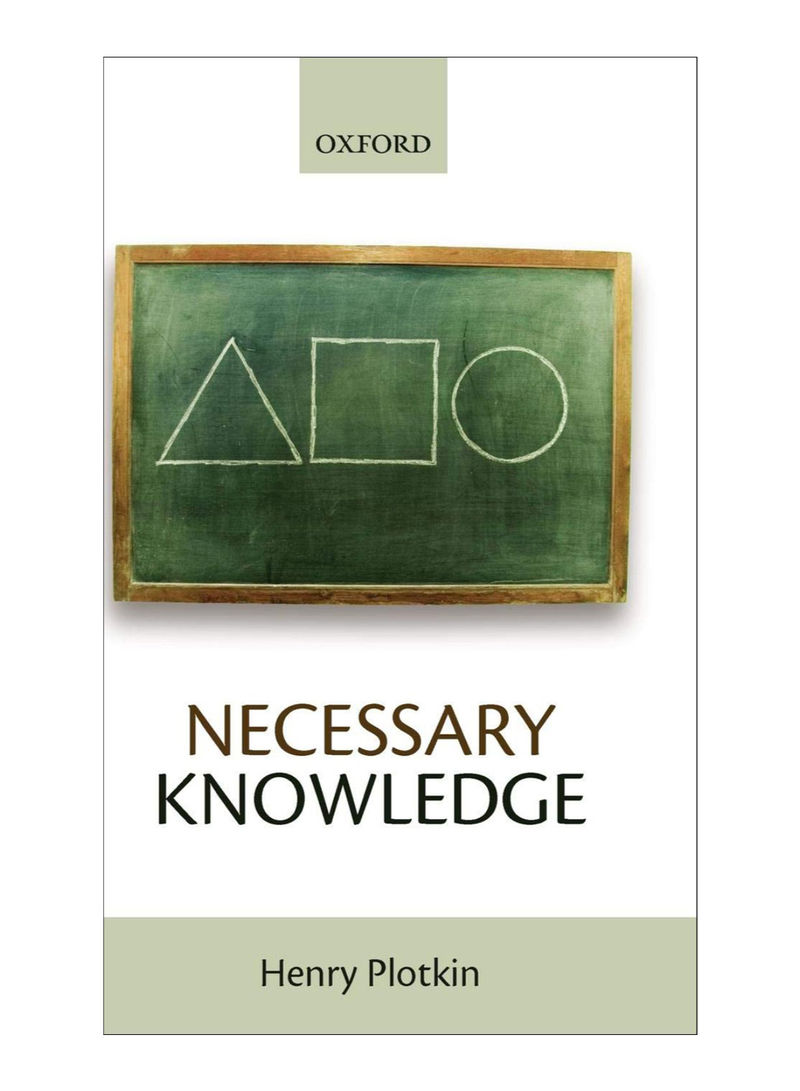
It is now widely accepted that evolution, individual development, and individual learning can no longer be studied in isolation from each-other - they are inextricably linked. Therefore any successful theory must integrate these elements, and somehow relate them to human culture. Clearly we learn from the world around us, but that learning is skewed towards specific things about the world. We do not just attend to and learn about every stimulus that confronts us - if we did, learning would be impossibly time-consuming and ineffective. Learning is constrained - we are primed to learn about certain aspects of the world and ignore others. So what are these constraints, and where do they come from? The theory expounded in this book is that we enter the world with small amounts of innate representational knowledge. It neither sides with those who believe in 'blank slate' theories, nor with those who believe all learning is innate. In fact, what is written on our 'slates' at birth is a certain type of knowledge about specific things in the world, the general configuration of the human face for instance, a knowledge that other people possess minds and motives.
رقم الكتاب المعياري الدولي 10
0198568282
رقم الكتاب المعياري الدولي 13
9780198568285
اللغة
English
الناشر
OUP Oxford
تاريخ النشر
5 April 2007
عدد الصفحات
360
عن المؤلف
Born in South Africa, Henry Plotkin gained his PhD from the University of London in 1968 and was awarded a Medical Research Council Travelling Fellowship the following year, which took him to the United States during the period1970-1972 where he worked as a postdoctoral fellow at Stanford University. He returned to the UK in 1972 and was appointed a lecturer in psychology at University College London at the start of the 1972-73 academic year. In 1988 the title of Reader was conferred on him, and in 1993 he was made Professor of Psychobiology. He was Head of the Department of Psychology at UCL during the period 1993-1998, and in 2005 became Emeritus Professor of Psychology.
رقم الطبعة
1st