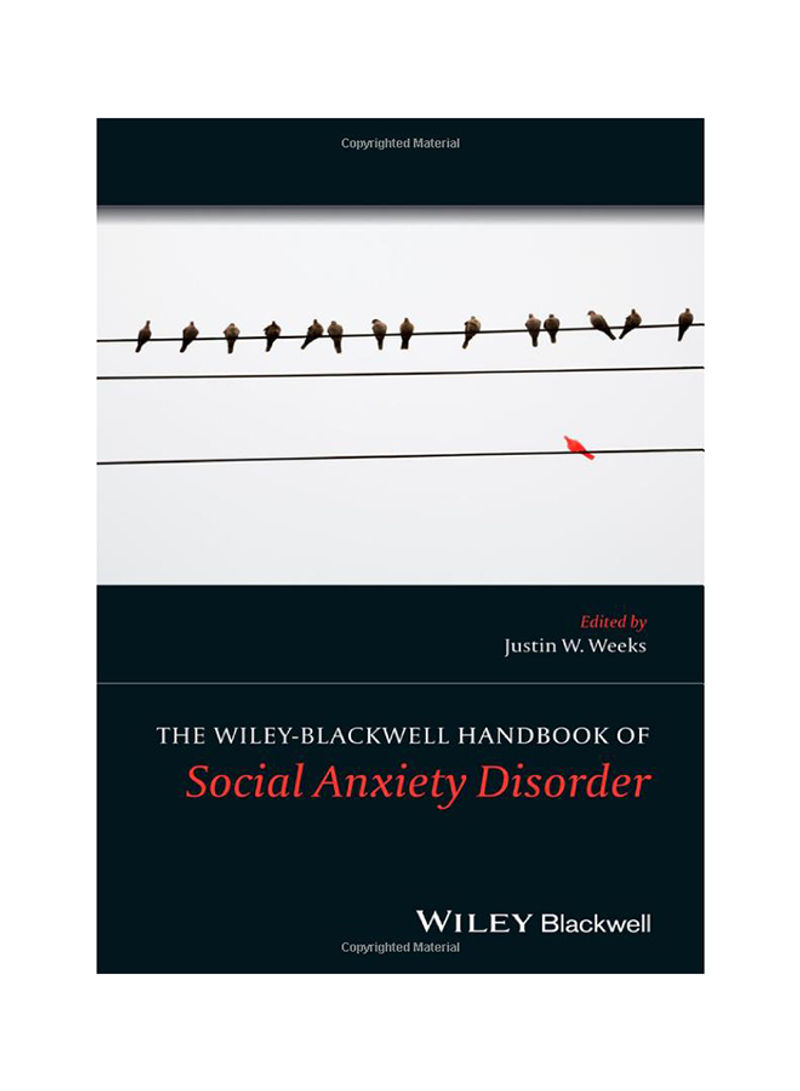


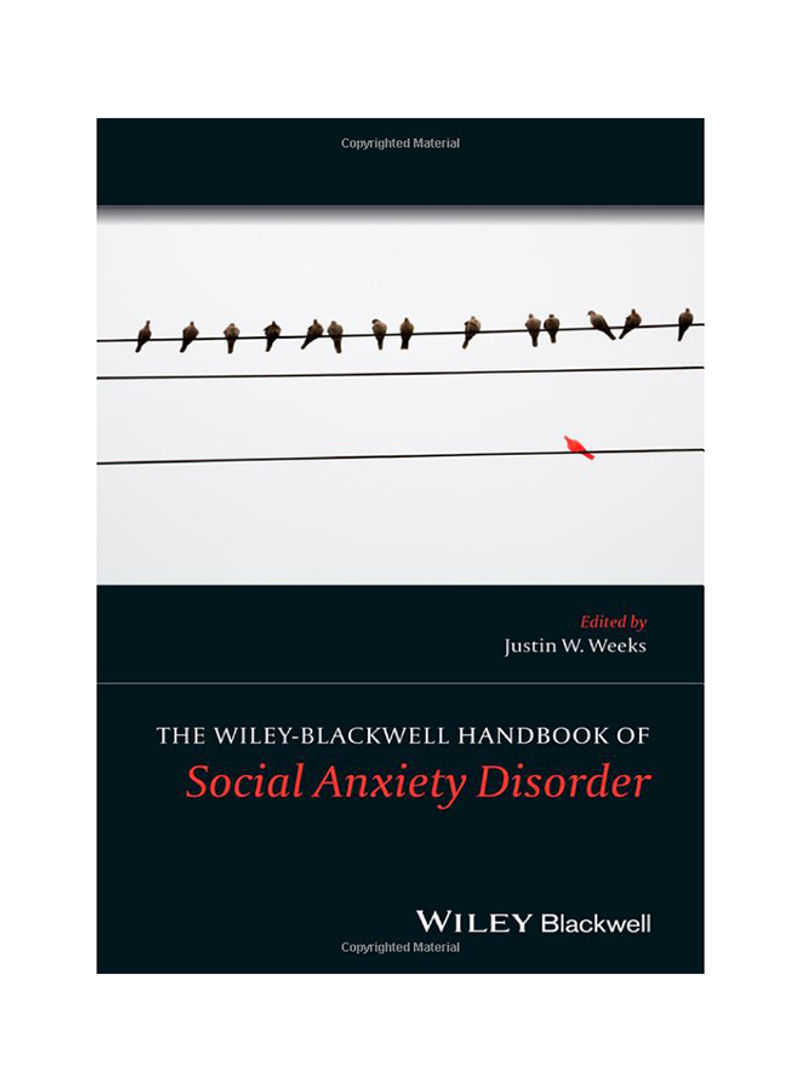
The Wiley Blackwell Handbook Of Social Anxiety Disorder Hardcover 1
نوصي
ترتيب حسب
تقييم
انشأ من قبل
Specifications
وصف الكتاب
Featuring leading international authors working in clinical psychology and psychiatry, this handbook offer the most in-depth coverage of social anxiety disorder, including personality factors in SAD, and multicultural issues in the diagnosis, case conceptualization, and treatment of SAD. * A multi-contributed, internationally diverse handbook covering all major elements of social anxiety disorder, offering an invaluable teaching tool * This unique text contributes significantly to the field by summarizing the current state of research in the area and outlining future directions * Provides a comprehensive overview of applied, empirically-supported techniques in the conceptualization, assessment, and treatment of SAD
رقم الكتاب المعياري الدولي 10
1119968607
رقم الكتاب المعياري الدولي 13
9.78112E+12
اللغة
English
الناشر
John Wiley and Sons Inc
تاريخ النشر
4/14/2014
عدد الصفحات
642
عن المؤلف
Justin W. Weeks is the Director of the Center for Evaluation and Treatment of Anxiety (CETA) at Ohio University, USA. Dr. Weeks is the author of a number of scientific publications and book chapters, the majority of which focus specifically on social anxiety and social anxiety disorder. Dr. Weeks is also well known for his work on fear of positive evaluation as a proposed core element of social anxiety.
محرر 1
Justin W. Weeks
رقم الطبعة
1
المراجعة التحريرية
Dr. Weeks has assembled an impressive list of some of the foremost experts on social anxiety disorder. This is a superb text that should be read by anybody who is interested in this common and disabling condition - students, clinicians, researchers, and teachers. €”Stefan G. Hofmann, Ph.D., Professor of Psychology, Boston University and author, An Introduction to Modern CBT Social anxiety disorder blights people's lives and prevents them from reaching their full potential. Thankfully in recent years there has been a large increase in research on the nature of the problem, its etiology and treatment. This excellent and comprehensive Handbook contains thoughtful chapters on all the key research areas. It is strongly recommended reading for both clinicians and researchers. €”Professor David M. Clark, University of Oxford, UK