


ترتيب حسب
تقييم
انشأ من قبل
Specifications
بلد المنشأ
India
الكاتب 1
Labeeb Ahmed Bsoul
وصف الكتاب
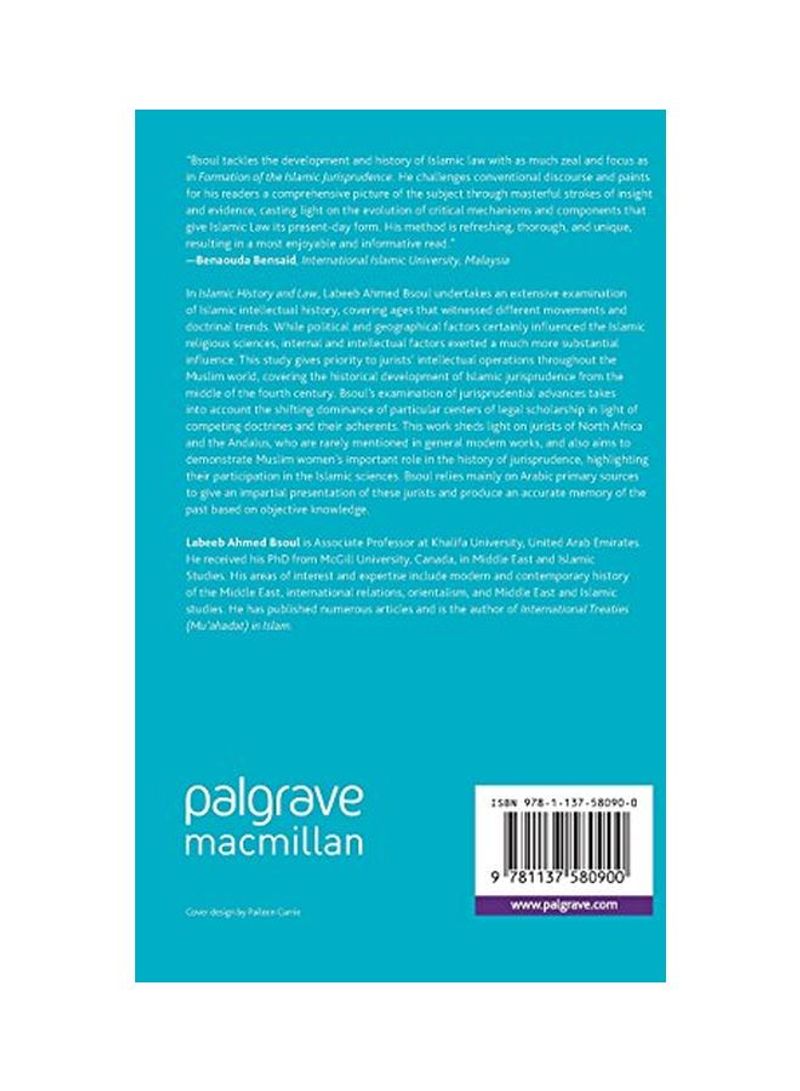
In Islamic History and Law, Labeeb Ahmed Bsoul undertakes an extensive examination of Islamic intellectual history, covering ages that witnessed different movements and doctrinal trends. While political and geographical factors certainly influenced the Islamic religious sciences, internal and intellectual factors exerted a much more substantial influence. This study gives priority to jurists' intellectual operations throughout the Muslim world, covering the historical development of Islamic jurisprudence from the middle of 4th century. Bsoul's examination of jurisprudential advances takes into account the shifting dominance of particular centers of legal scholarship in light of competing doctrines and their adherents. This work sheds light on jurists of North Africa and the Andalus, who are rarely mentioned in general modern works, and also aims to demonstrate Muslim women's important role in the history of jurisprudence, highlighting their participation in the Islamic sciences. Bsoul relies mainly on Arabic primary sources to give an impartial presentation of these jurists and produce an accurate memory of the past based on objective knowledge.
رقم الكتاب المعياري الدولي 10
1137580909
رقم الكتاب المعياري الدولي 13
9781137580900
اللغة
English
الناشر
Palgrave MacMillan
تاريخ النشر
02 Mar 2016
عن المؤلف
Labeeb Ahmed Bsoul is Associate Professor at Khalifa University, United Arab Emirates. He received his PhD from McGill University, Canada, in Middle East and Islamic Studies. His areas of interest and expertise include modern and contemporary history of the Middle East, international relations, orientalism, and Middle East and Islamic studies. He has published numerous articles and is author of International Treaties (Mu'ahadat) in Islam.
المراجعة التحريرية
This study on (The Jurists' Contribution to the Formation of Islamic Jurisprudence from the Prophetic Era to the Middle of the Fourth/Twelfth Century) presents and discusses a variety of Islamic themes and topics related to the evolution of Islamic jurisprudence. A detailed research on numerous legal schools and ideas is presented. The literature review is extensive; the methodology was painstakingly thorough and incorporated the use of a sufficient number of arguments, perspectives and legal debates.