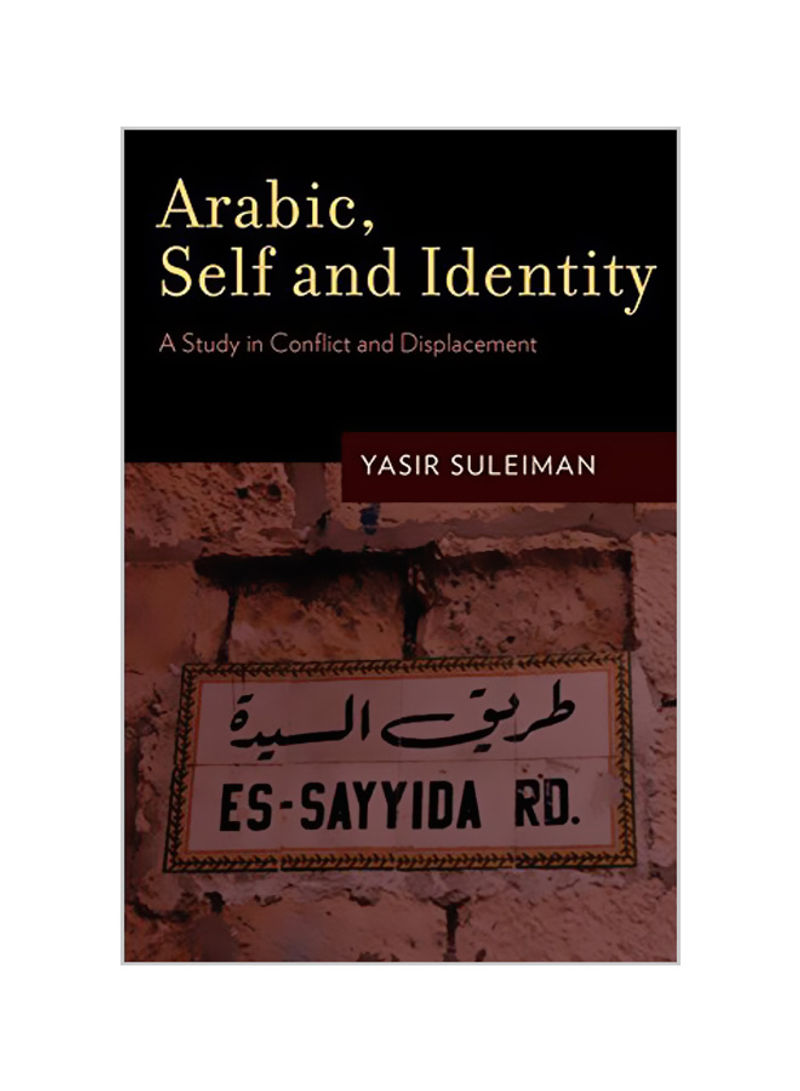


Arabic, Self And Identity: A Study In Conflict And Displacement Paperback
نوصي
ترتيب حسب
تقييم
انشأ من قبل
Specifications
الكاتب 1
Yasir Suleiman
وصف الكتاب
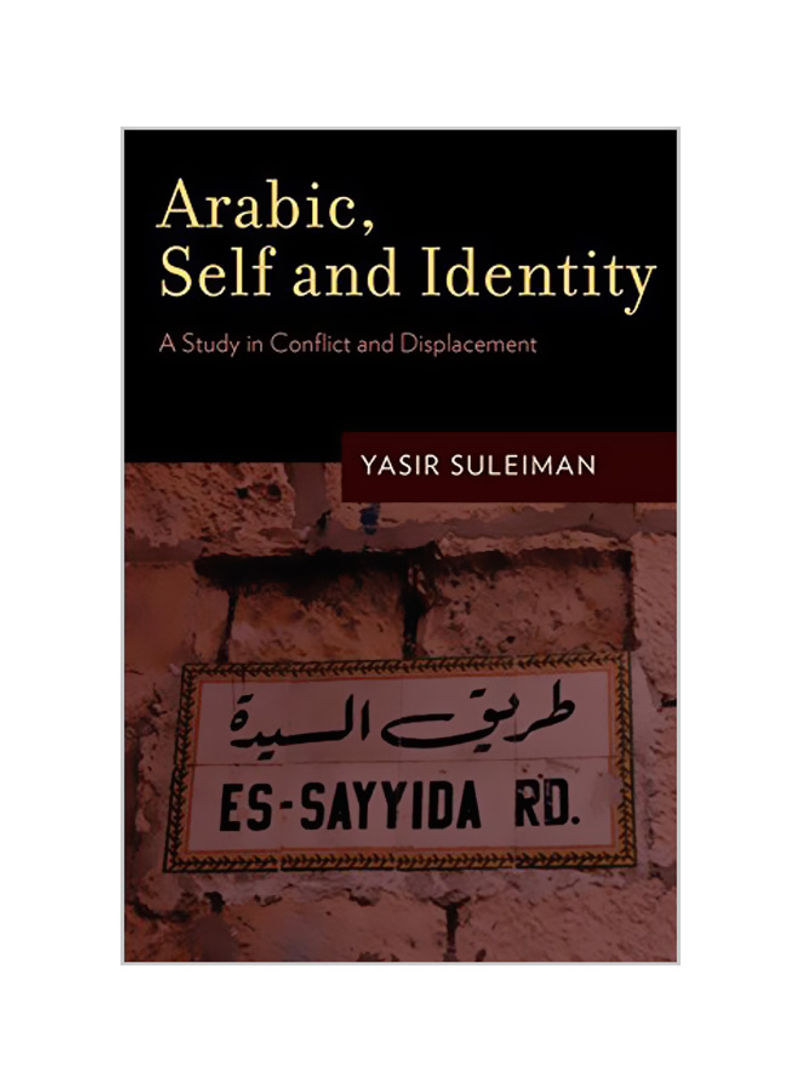
Arabic, Self, and Identity uses autoethnography, autobiography, and a detailed study of names to investigate the links between conflict and displacement, and between the Self and group identity. In the process it raises questions about trauma and globalization, underscoring the complex roles of language and identity in society. Yasir Suleiman frames his findings against a far-reaching critique of the dominant, correlational approach in Arabic sociolinguitics. He argues that this approach does not sufficiently explore the link between language and the major narratives of identity and conflict in the Middle East. Instead he advocates for combining this approach with qualitative studies that are nevertheless aware of the limits of interpretation and the positionality of the researcher. This combined endeavor, Suleiman says, can generate a richer understanding of the sociopolitical underpinnings of language, and help to bridge the gaps between the various disciplines that converge on language as a field of investigation and analysis.
رقم الكتاب المعياري الدولي 13
9780199747009
اللغة
English
الناشر
Oxford University Press, USA
تاريخ النشر
24-11-2011
عدد الصفحات
288
عن المؤلف
Yasir Suleiman is Professor of Modern Arabic Studies at the University of Cambridge.
المراجعة التحريرية
an indispensable corpus on the inner workings of identity in relation to Arabic languages today. * Journal of Levantine Studies * I feel Suleiman has once again done an excellent job in bringing to our attention a wealth of important data and offering a thought-provoking discussion of this material. * Eirlys E. Davies, Journal of Semitic Studies * The book is rich, informative, and interesting at the thematic, methodological, and informational levels. The book is a valuable resource for different groups of readers, including sociolinguists, historians, anthropologists, politicians, as well as non-professionals. * Abdulkafi Albirini, Journal of Sociolinguistics *