


ترتيب حسب
تقييم
انشأ من قبل
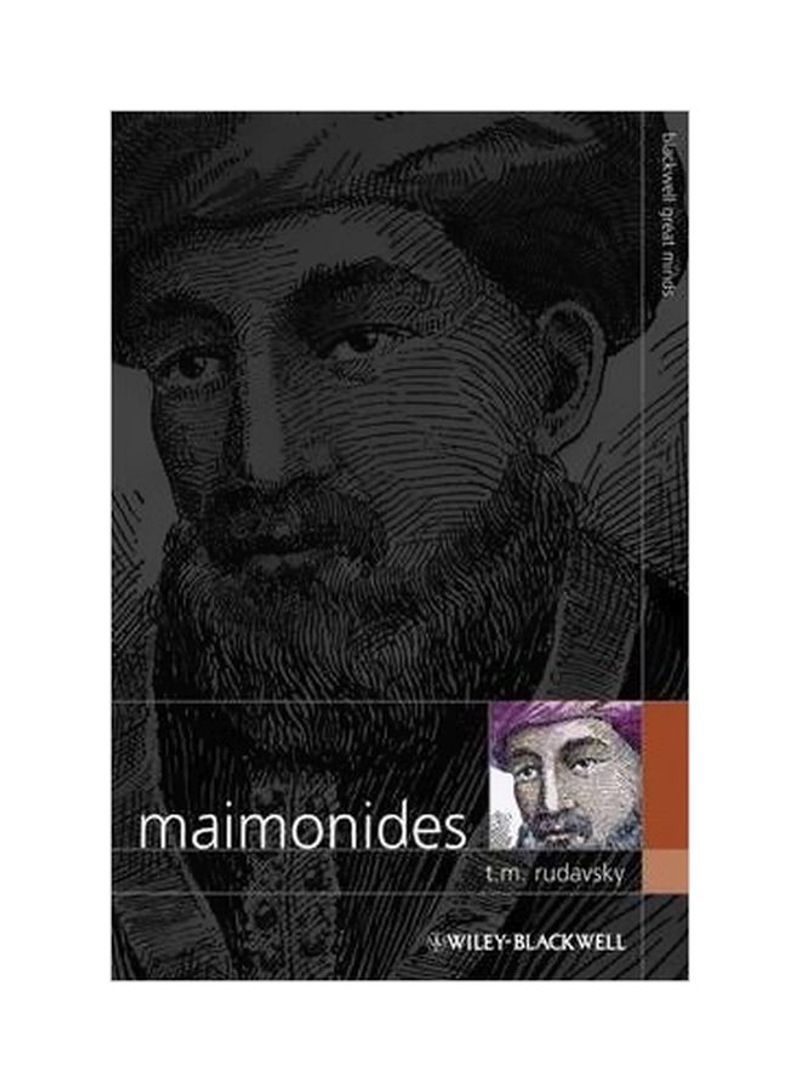

Specifications
الكاتب 1
T. M. Rudavsky
وصف الكتاب
A thorough and accessible introduction to Maimonides, arguably one of the most important Jewish philosophers of all time. This work incorporates material from Maimonides' philosophical, legal, and medical works, providing a synoptic picture of Maimonides' philosophical range.* Maimonides was, and remains, one of the most influential and important Jewish legalists, who devoted himself to a reconceptualization of the entirety of Jewish law* Offers both an intellectual biography and an exploration of the most important philosophical works in Maimonides' corpus* Persuasively argues that Maimonides did see himself as engaged in philosophical dialogue* Maimonides' philosophy is presented in a way that is accessible to readers with little background in either Jewish or medieval philosophy* Secondary readings are provided at the end of each chapter, as well as a bibliography of recent scholarly articles on some of the more pressing philosophical topics covered in the book
رقم الكتاب المعياري الدولي 10
1405148985
رقم الكتاب المعياري الدولي 13
9781405148986
اللغة
English
الناشر
John Wiley And Sons Ltd
تاريخ النشر
15/Mar/10
عدد الصفحات
240
عن المؤلف
T. M. Rudavsky is Professor of Philosophy at The Ohio State University. She specializes in medieval Jewish philosophy, and is the author of Time Matters: Creation, Time and Cosmology in Medieval Jewish Philosophy (2000). She has edited three volumes: Divine Omniscience and Omnipotence in Medieval Philosophy: Islamic, Jewish, and Christian Perspectives (1984); Gender and Judaism: Tradition and Transformation (1995); and The Cambridge History of Medieval Jewish Philosophy (co-edited with Steven Nadler, 2009). In addition, she has written numerous articles pertaining to medieval Jewish philosophy.
المراجعة التحريرية
(T. M. Rudavsky) interpretations are excellent summaries of the master's teachings and readers can gain much information and thought-provoking ideas from reading it. (The Jewish Eye, April 2010)