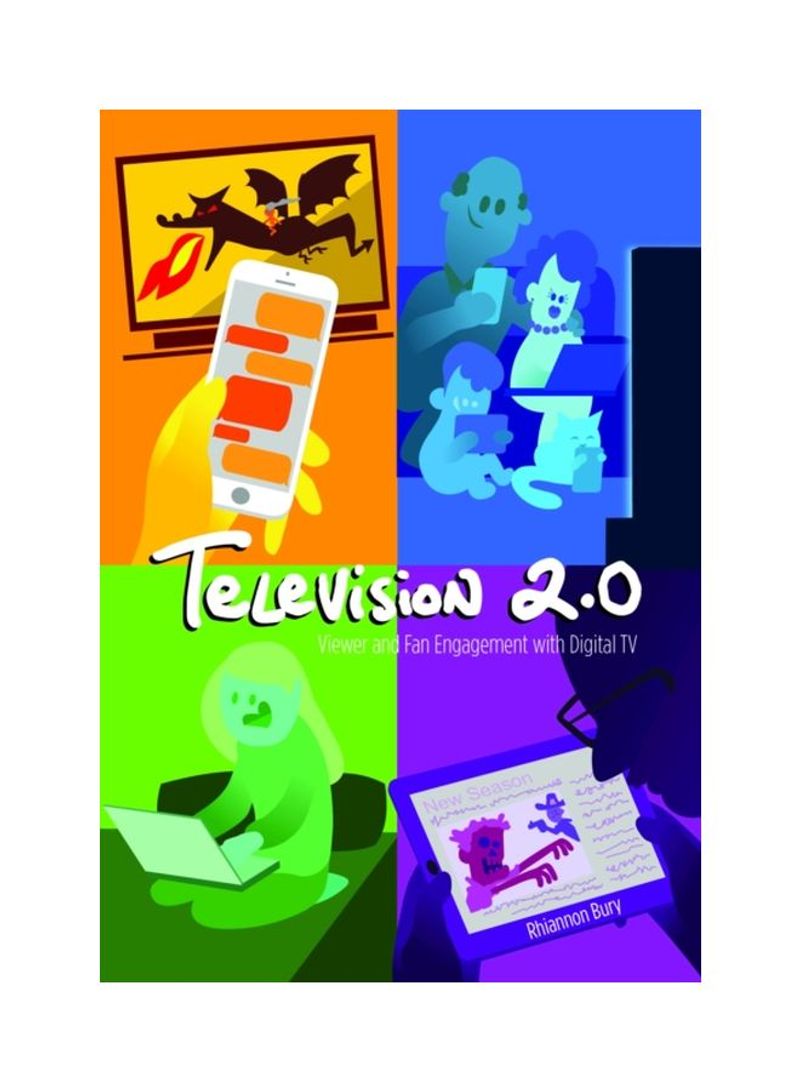


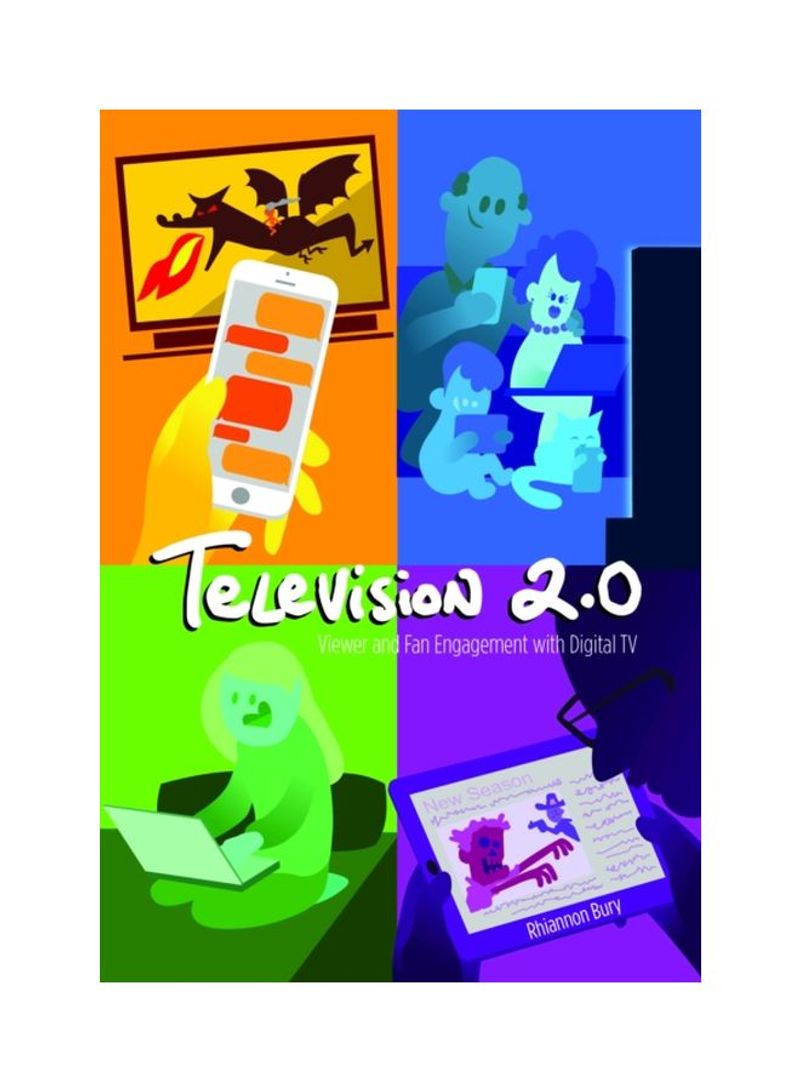
Television 2.0: Viewer And Fan Engagement With Digital TV Hardcover
نوصي
ترتيب حسب
تقييم
انشأ من قبل
Specifications
الدرجة
New
الكاتب 1
Rhiannon Bury
وصف الكتاب
Television 2.0 sets out to document and interrogate shifting patterns of engagement with digital television. Television content has not only been decoupled from the broadcast schedule through the use of digital video recorders (DVRs) but from broadcasting itself through streaming platforms such as Netflix, Vimeo and YouTube as well as downloading platforms such as iTunes and The Pirate Bay. Moreover, television content has been decoupled from the television screen itself as a result of digital convergence and divergence, leading to the proliferation of computer and mobile screens. Television 2.0 is the first book to provide an in-depth empirical investigation into these technological affordances and the implications for viewing and fan participation. It provides a historical overview of television's central role as a broadcast medium in the household as well as its linkages to participatory culture. Drawing on survey and interview data, Television 2.0 offers critical insights into the ways in which the meanings and uses of contemporary television are shaped not just by digitalization but by domestic relations as well as one's affective relationship to particular television texts. Finally it rethinks what it means to be a participatory fan, and examines the ways in which established practices such as information seeking and community making are altered and new practices are created through the use of social media. Television 2.0 will be of interest to anyone teaching or studying media and communications.
رقم الكتاب المعياري الدولي 10
1433153130
رقم الكتاب المعياري الدولي 13
9781433153136
اللغة
English
الناشر
Peter Lang Publishing Inc
تاريخ النشر
01 Mar 2018
عدد الصفحات
148
عن المؤلف
Rhiannon Bury is Associate Professor of Women's and Gender Studies at Athabasca University, Canada. She has published numerous articles in the areas of gender, internet, technology and fan studies. Her first book, Cyberspaces of Their Own: Female Fandoms Online, was published by Peter Lang in 2005.
المراجعة التحريرية
Despite its pervasiveness in our mediated lives, 'television' as a digital entity is a fraught term. In Television 2.0, Rhiannon Bury unites television studies, audience research, fan studies, and new media analysis to uncover new and exciting ways to understand that-which-used-to-be-a-box. Pushing past common assumptions about the death of television, Bury re-engages television scholarship through fan interviews, qualitative and quantitative methods, historical methods, and empirical research. In Television 2.0, Bury rereads today's television as a reassemblage of content, fandom, and participation-a social technology in the digital age. A must-read! Paul Booth, author of Digital Fandom 2.0, Playing Fans and Time on TV "The '2.0' label may have become a buzzword, but Television 2.0 skillfully puts streaming/downloading hype to the test. Rhiannon Bury draws brilliantly on original empirical data to show how television today remains crucially framed by both domestic and affective relations. Hybridising Deleuzian theory with classic TV studies' work from the likes of Roger Silverstone and James Lull, Television 2.0 explores the fascinating assemblages and reassemblages of contemporary TV. And Bury makes a vital intervention into debates around fandom and participatory culture by introducing the notion of a 'participatory continuum.' Television 2.0 is provocative and compelling, well evidenced and astutely argued; I am already a devoted fan of this book." Matt Hills, author of Fan Cultures and co-director of the Centre for Participatory Culture, University of Huddersfield "Television 2.0 ... is a brief and insightful study about the consumption of TV in (primarily) Western countries at the beginning of the XXI century. The book is an informative resource for both academics and students working on and interested in television, new media and fandom."Deborah Castro, Convergence 25(2), 2019