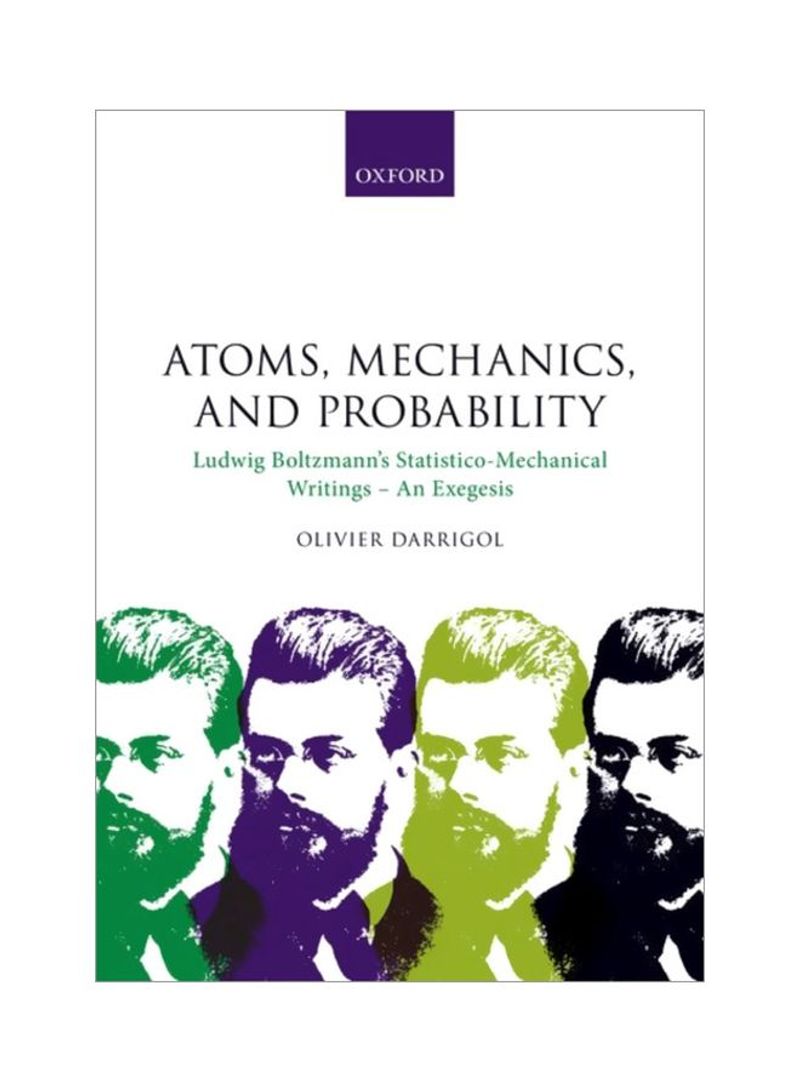


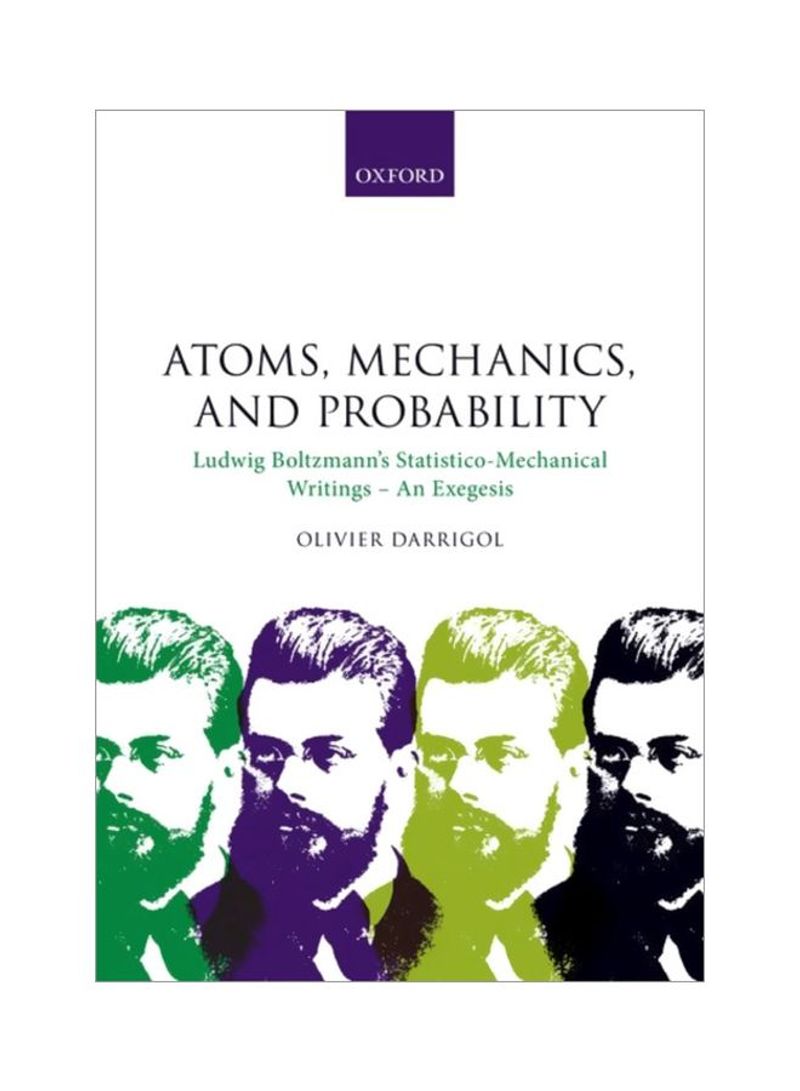
Atoms, Mechanics, And Probability Hardcover
Recommend
Sort by
Rating
Date
Specifications
Grade
New
Author 1
Olivier Darrigol
Book Description
One of the pillars of modern science, statistical mechanics, owes much to one man, the Austrian physicist Ludwig Boltzmann (1844-1906). As a result of his unusual working and writing styles, his enormous contribution remains little read and poorly understood. The purpose of this book is to make the Boltzmann corpus more accessible to physicists, philosophers, and historians, and so give it new life. The means are introductory biographical and historical materials, detailed and lucid summaries of every relevant publication, and a final chapter of critical synthesis. Special attention is given to Boltzmann's theoretical tool-box and to his patient construction of lofty formal systems even before their full conceptual import could be known. This constructive tendency largely accounts for his lengthy style, for the abundance of new constructions, for the relative vagueness of their object-and for the puzzlement of commentators. This book will help the reader cross the stylistic barrier and see how ingeniously Boltzmann combined atoms, mechanics, and probability to invent new bridges between the micro- and macro-worlds.
ISBN-10
0198816170
ISBN-13
9780198816171
Language
English
Publisher
Oxford University Press
Publication Date
22 Apr 2018
Number of Pages
640
About the Author
Olivier Darrigol studied physics at the Ecole Normale Superieure in Paris, the history and philosophy of physics at the Sorbonne and at UC-Berkeley's Office for History of Science and Technology (OHST). He is the author of several books on the history of quantum physics, electrodynamics, hydrodynamics, and optics. He is currently a member of the SPHere research team at CNRS/Paris 7, and a Research Associate at UC-Berkeley's OHST.
Editorial Review
The text is well written, clear and supported by black-and-white figures and historical footnotes. This book can be fully recommended to anyone with some background in mathematics and physics who is interested in the course of the discussion that led to modern statistical mechanics. It is also a good read for those interested in Boltzmann as a scientist and those who have a more general interest in the science of the period. Manuel Vogel, Contemporary Physics