


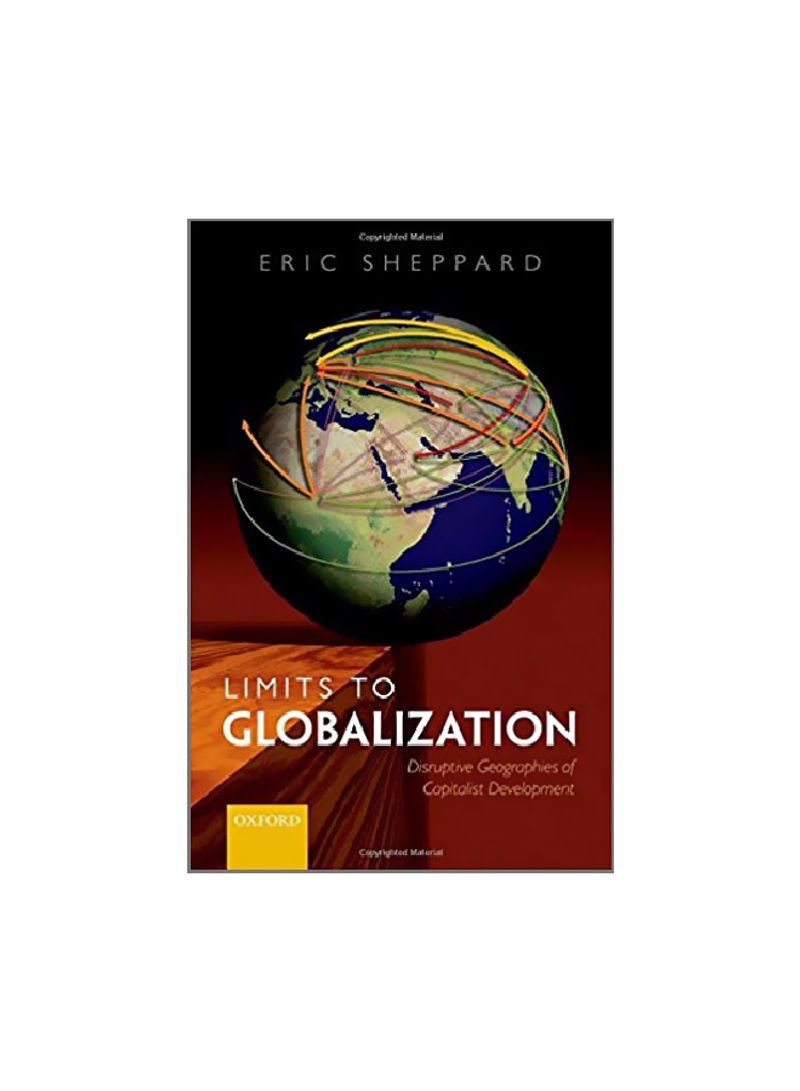
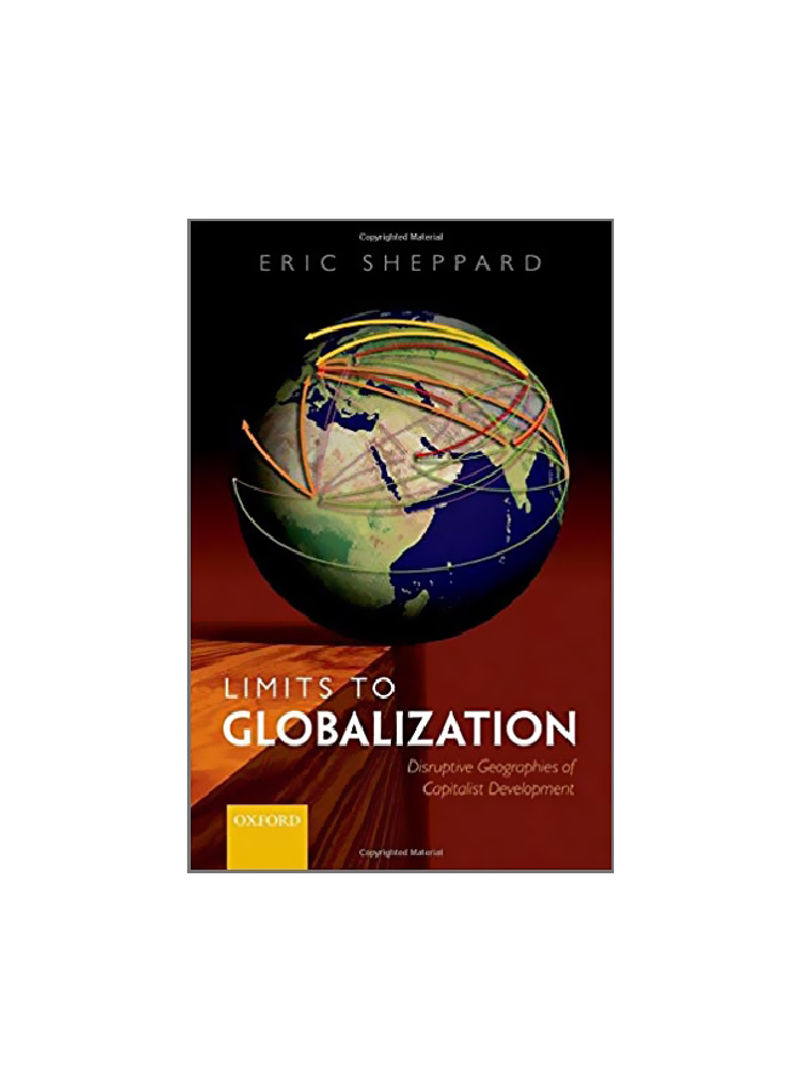
Limits To Globalization : Disruptive Geographies Of Capitalist Development Hardcover
Recommend
Sort by
Rating
Date

Specifications
Author 1
Eric Sheppard
Book Description
This book summarizes how globalizing capitalism-the economic system now presumed to dominate the global economy-can be understood from a geographical perspective. This is in contrast to mainstream economic analysis, which theorizes globalizing capitalism as a system that is capable of enabling everyone to prosper and every place to achieve economic development. From this perspective, the globalizing capitalism perspective has the capacity to reduce poverty. Poverty's persistence is explained in terms of the dysfunctional attributes of poor people and places. A geographical perspective has two principal aspects: Taking seriously how the spatial organization of capitalism is altered by economic processes and the reciprocal effects of that spatial arrangement on economic development, and examining how economic processes co-evolve with cultural, political, and biophysical processes. From this, globalizing capitalism tends to reproduce social and spatial inequality; poverty's persistence is due to the ways in which wealth creation in some places results in impoverishment elsewhere.
ISBN-13
9780199681167
Language
English
Publisher
Oxford University Press
Publication Date
1/Dec/16
Number of Pages
234
About the Author
Eric Sheppard is Humboldt Chair and Professor of Geography at the University of California. Prior to this he worked in the Geography Department of the University of Minnesota (1976 to 2012), beginning as Assistant Professor and awarded the highly prestigious Regents Professorship in 2008. Eric has research interests in geographical political economy, uneven geographies of globalization, neoliberalism, urbanization in the global South, urban sustainability and environmental justice, and critical GIS. He teaches courses in globalization, economic geography, development and urban change.
Editorial Review
Sheppard does a fine job of assessing the contributions of economic geographers and expertly explores the field's critical assessment of the spatial and temporal political economies of globalization and its role in shaping, and how it is shaped by, human sociopolitical activity. Summing Up: Recommended. -- CHOICE