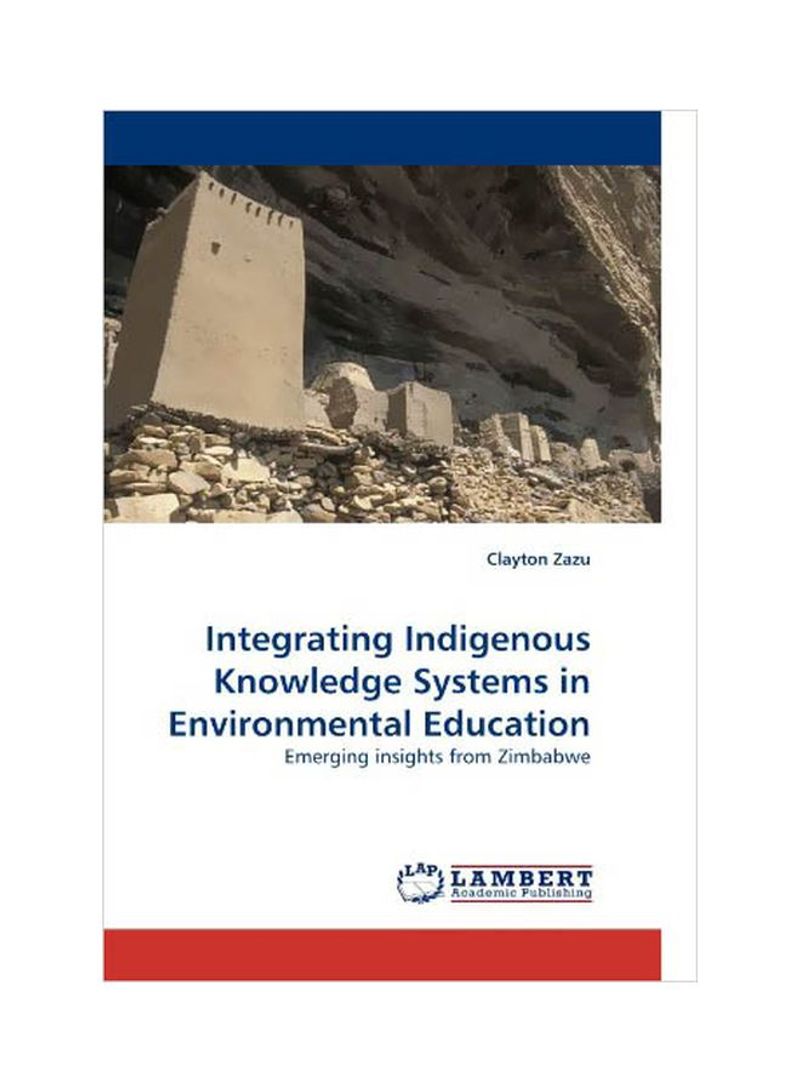


Integrating Indigenous Knowledge Systems In Environmental Education Paperback
Recommend
Sort by
Rating
Date
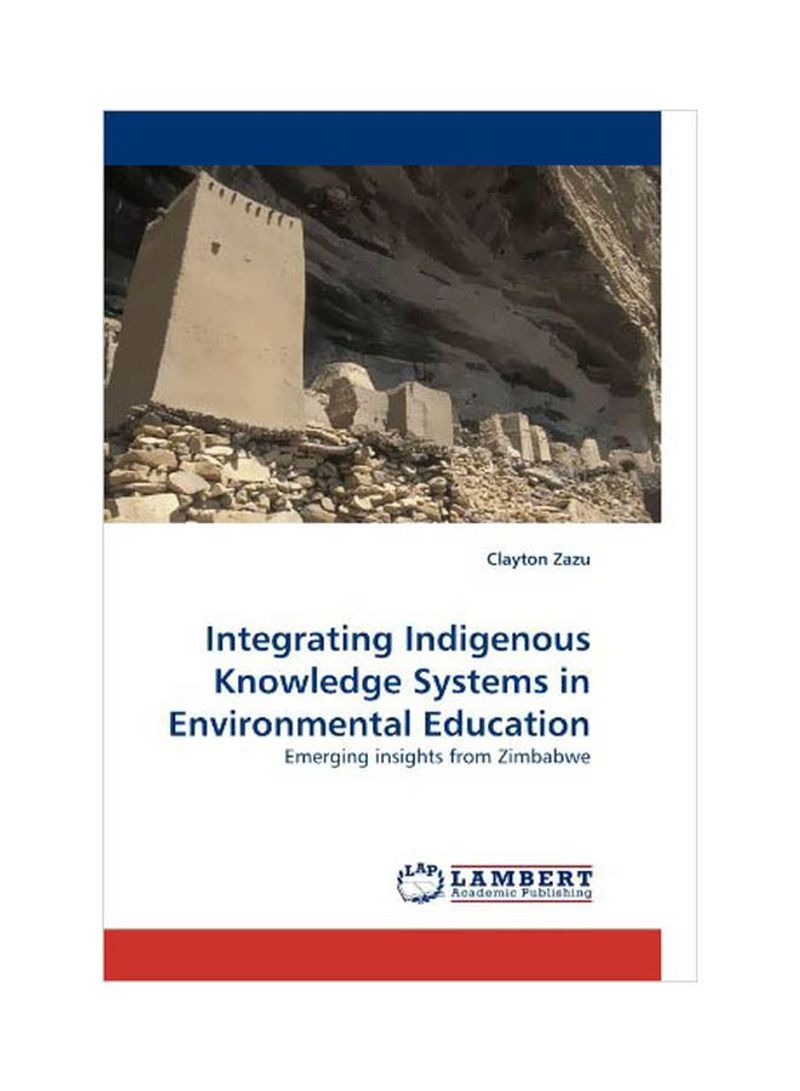
Specifications
Author 1
Cryton Zazu
Book Description
The role and value of indigenous knowledge systems in enhancing and contextualizing education has long been recognized (UNESCO,1978). Against this background a lot of research focusing on the documentation and study of the world's indigenous knowledge systems, including those of Southern African countries was done. However, within the Southern African context much of this research did not translate into practical curriculum processes leaving educational processes de-contextualized (O'Donoghue, 2002; Mokuku, 2004; Shava,2005). The linkages between the school, the home and the wider community remained weak (Taylor & Mulhall,2001). The net effect of the limited integration of indigenous knowledge systems into mainstream environmental education processes has been that indigenous learners (such as those within the Sebakwe rural community) continued to get exposed to 2 different world views, the western scientific world view and the everyday life world views. The integration of indigenous knowledge systems into mainstream education such as the Sebakwe Environmental Education programme (SEEP) is 1 way of contextualizing education and improving its relevance to learners' socio-cultural backgrounds
ISBN-13
9783838345406
Language
English
Publisher
LAP Lambert Academic Publishing
Publication Date
26 Jun 2010
Number of Pages
120
About the Author
holds a Master's degree in Environmental Education from Rhodes University, South Africa. He is an active member of the Environmental Education community in Zimbabwe and in the Southern African region and is currently the Centre Director for the Sebakwe Conservation and Education Centre in Zimbabwe.