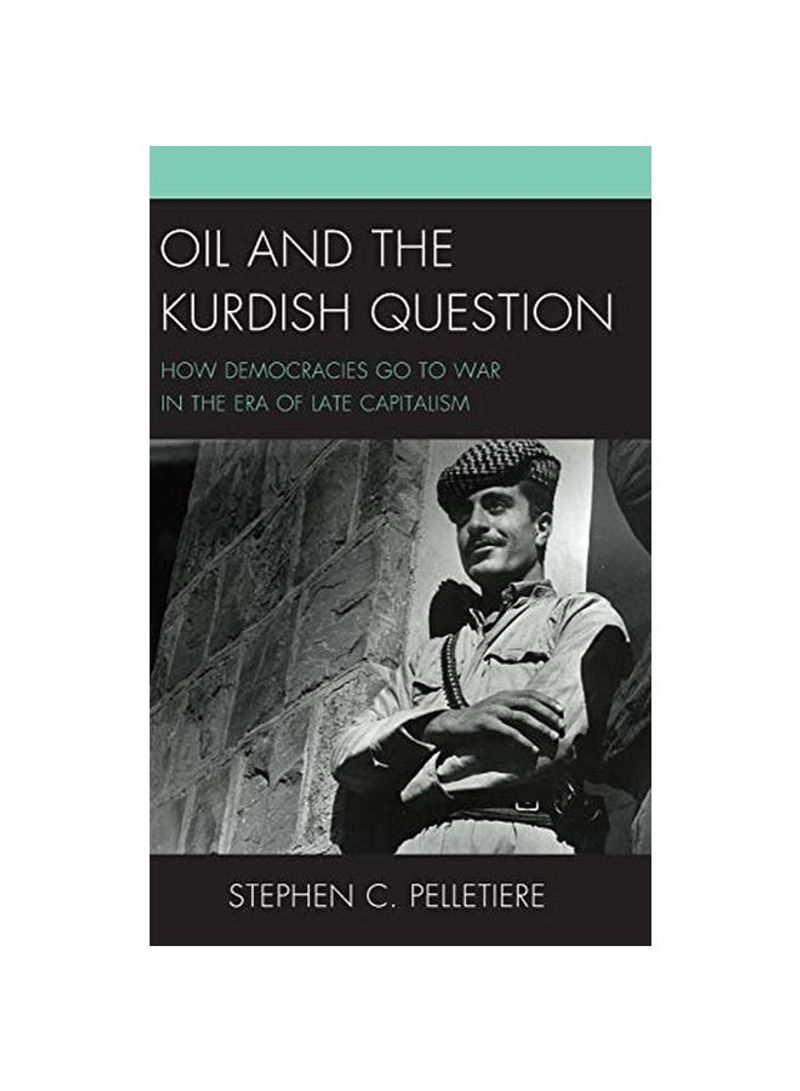


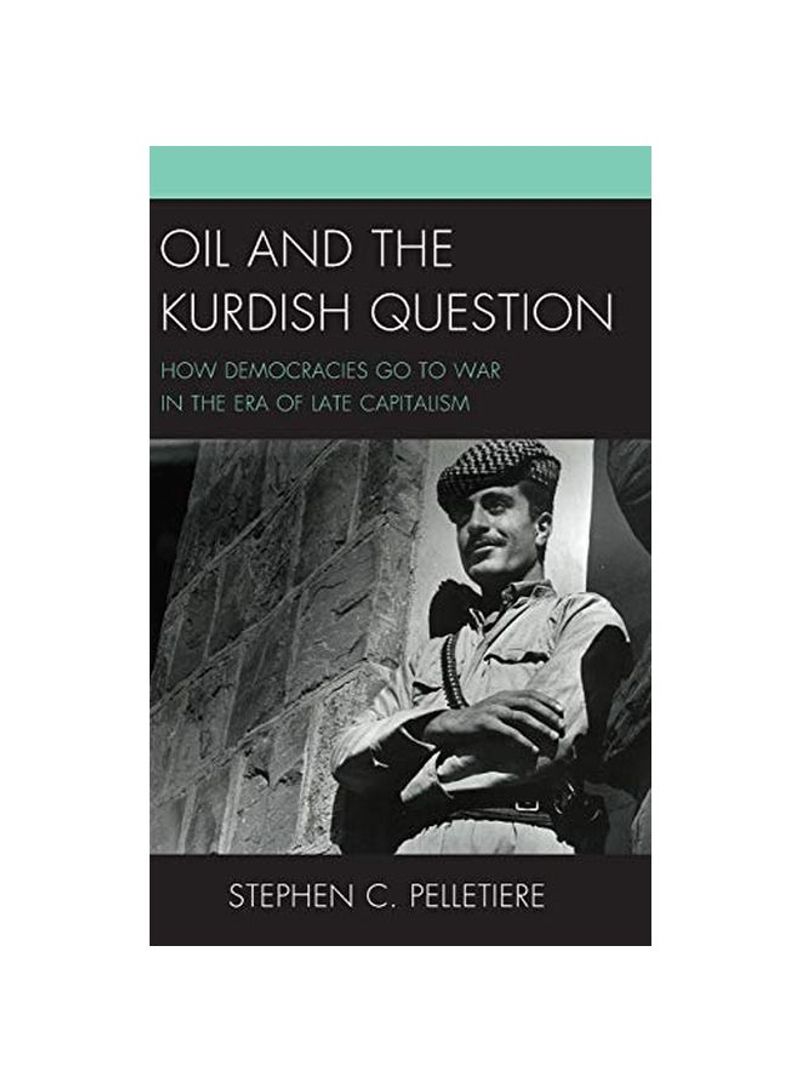
Oil And The Kurdish Question: How Democracies Go To War In The Era Of Late Capitalism Hardcover
Recommend
Sort by
Rating
Date
Specifications
Author 1
Stephen C. Pelletiere
Book Description
Oil and the Kurdish Question critiques the conventional narrative of the Iran-Iraq War and the associated Anfal campaign. This narrative claims that in the last two years (1987-88) of the Iran-Iraq War the Ba'thists dominated the fighting using gas attacks. According to this narrative, the Ba'thists also used gas in a fearsome campaign of extermination against the Kurds of northern Iraq. This book argues that, contrary to conventional wisdom, the Iraqis trained hard to turn the tables on Iran in the last months of the war and won by superior generalship without the use of gas. Further, it was only when the Iranians conceded defeat that the Iraqi army went north and-in the space of nine days, using conventional arms-suppressed pockets of Kurdish insurgent unrest. The book also examines how publicists exploited the myth of the Kurdish holocaust as justification for America to declare war on Iraq. It exposes a scheme laid out before the war that aimed to defeat Iraq, deconstruct it, and create an autonomous Kurdish Regional Government which would then let lucrative oil concessions to interests mainly in the west. The intrigue accomplished two things: it subverted Iraq's oil nationalization law which forbade granting concessions to foreigners, and it ended Iraq's existence as a sovereign nation-state.
ISBN-13
9781498516662
Language
English
Publisher
Lexington Books
Publication Date
19 May 2016
Number of Pages
212
About the Author
Stephen C. Pelletiere is an independent scholar.
Editorial Review
This controversial book analyzes the issues surrounding the motivation, conduct, and outcome of the 2nd American war in Iraq. It will form a lasting addition to the growing literature on what we actually know (as opposed to what we have been told) about our sorry adventure in Iraq. -- Michael Lawlor, Wake Forest University Pelletiere's analysis of the role of the Kurds in recent Middle East conflicts reminds us that when foreign policy is developed in secret by people associated with powerful and aggressive private interests (oil, neocons, the Establishment), the resulting policy benefits only those interests, or no one. -- Donald Gibson, University of Pittsburgh