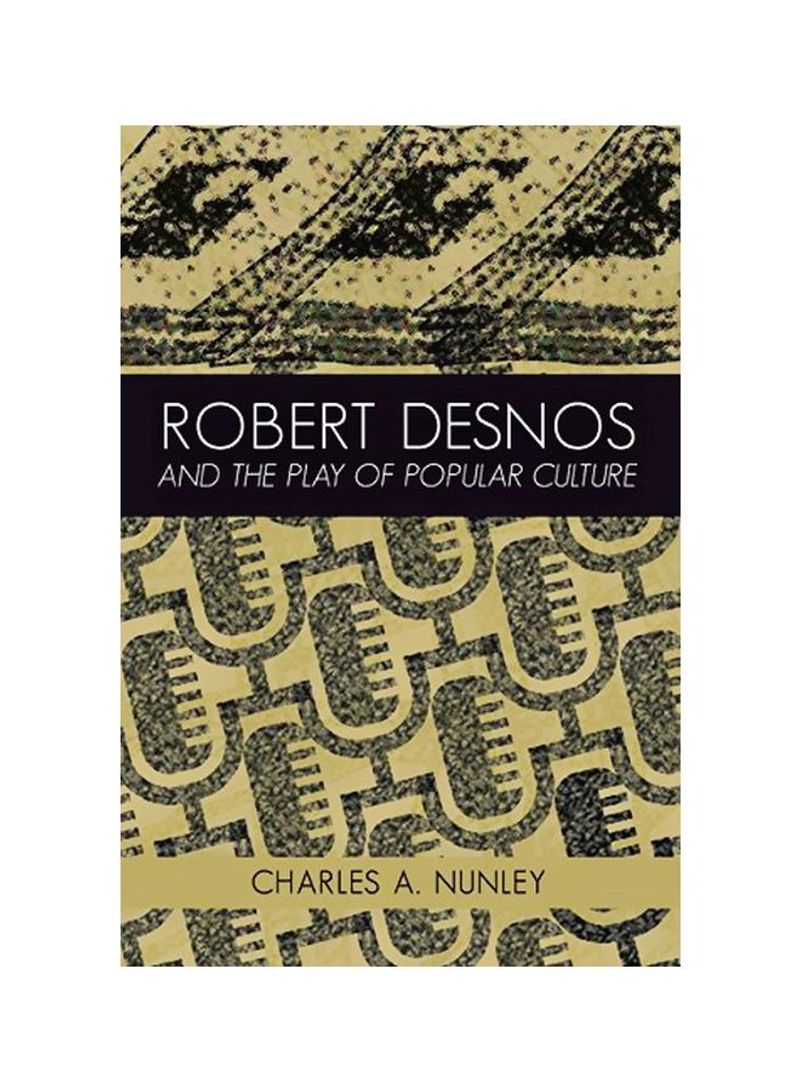


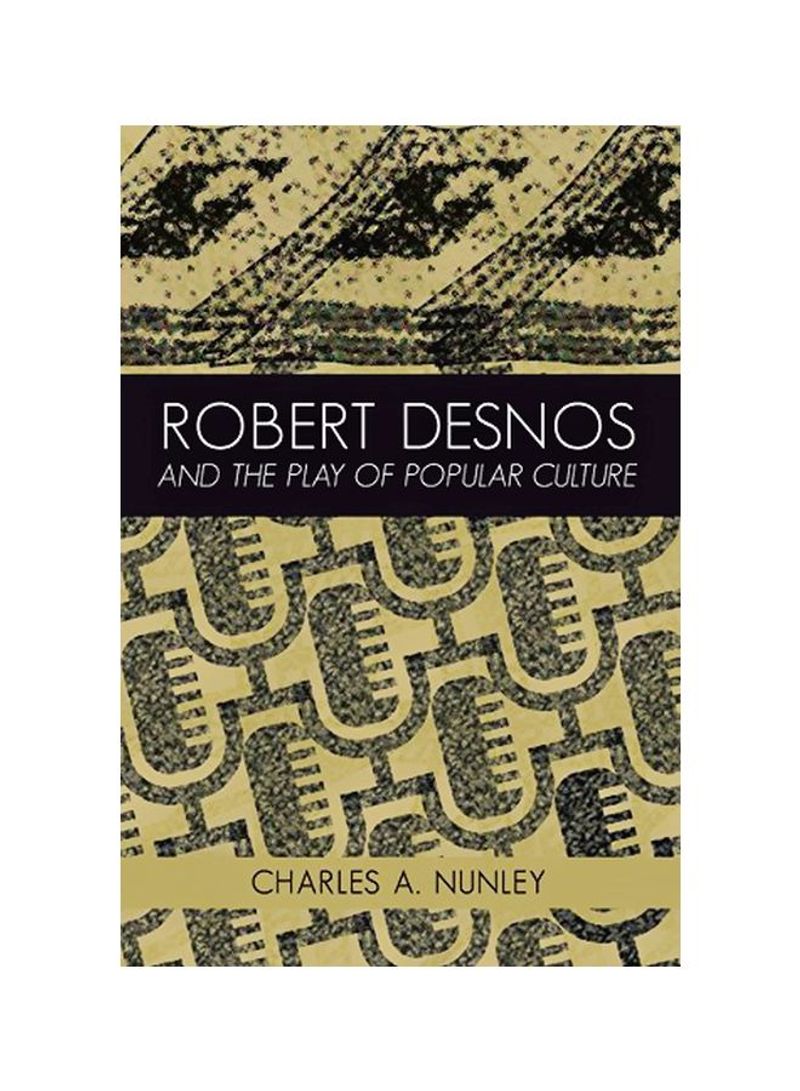
Robert Desnos And The Play Of Popular Culture Hardcover
Recommend
Sort by
Rating
Date
Specifications
Author 1
Charles A. Nunley
Book Description
Robert Desnos remains celebrated today as one of France's most famous surrealist artists and as a hero and martyr of the French Resistance. Robert Desnos and the Play of Popular Culture sheds new light onto both of these facets of his persona and uncovers the fundamental connections between them by analyzing the poet's long-standing commitment to the public domain and his involvement with popular media during the 1930s and 1940s. Through analysis of Desnos's regular contributions to the sensationalist 1930s-era magazine Voila, this study begins with consideration of Desnos's turn to popular commercial media after his break with Andre Breton. The study then turns to Desnos's continued engagement with the public sphere of artistic expression under the Occupation and analyzes Bonsoir mesdames, bonsoir messieurs, the 1944 film that Desnos co-authored with Henri Jeanson, which was released in Parisian theatres just one week before Desnos's arrest and deportation for resistance activities. Exploration of these intriguing but surprisingly little-known facets of his artistic production demonstrates that Desnos, far from abandoning his prewar fascination with the power of popular media, sustained and deepened his engagement with public culture as a space of contestation where the interplay of public and private, producer and consumer, intersects with the cultural politics of wartime France. The book includes the full text of Desnos's eleven articles for Voila, which have never been previously collected, with accompanying English translations.
ISBN-13
9781433143014
Language
English
Publisher
Peter Lang Publishing Inc
Publication Date
16 February 2018
Number of Pages
176
About the Author
Charles A. Nunley is Professor of French at Middlebury College. He completed his Ph.D. at Princeton University, specializing in French literature of the interwar and World War II periods. His work has been supported by grants from the American Philosophical Society and National Endowment for the Humanities.