


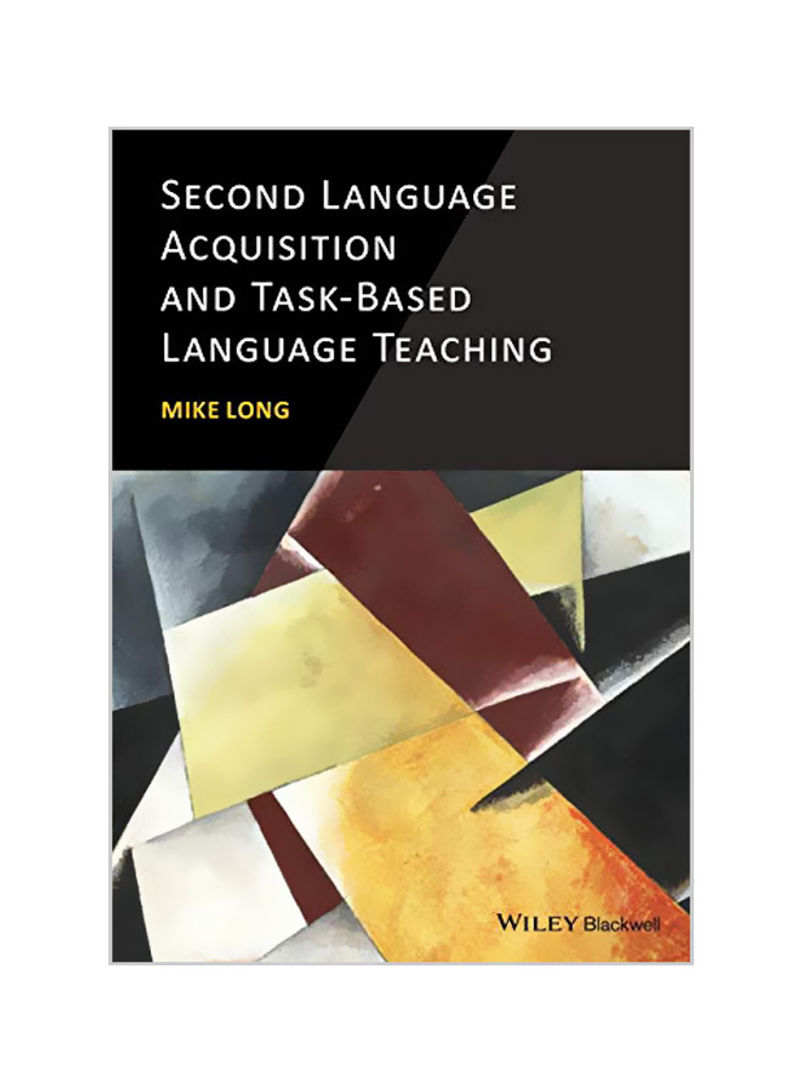
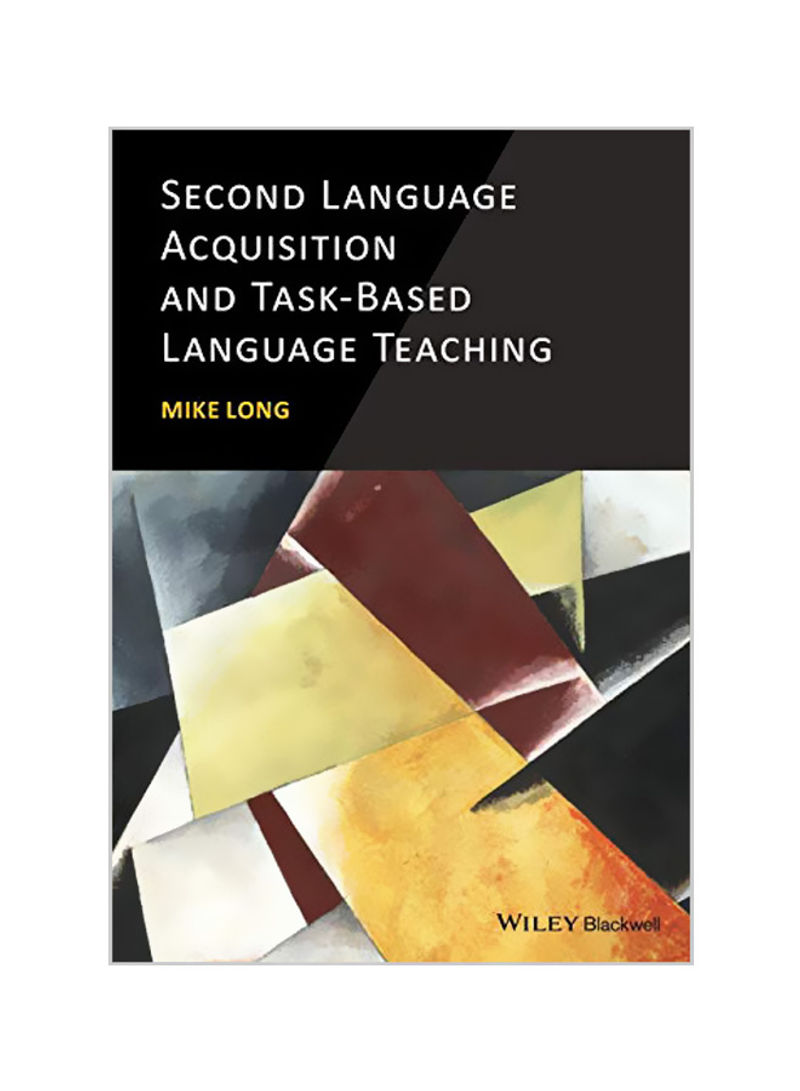
Second Language Acquisition and Task-Based Language Teaching Paperback
Recommend
Sort by
Rating
Date

Specifications
Author 1
Mike Long
Book Description
This book offers an in-depth explanation of Task-Based Language Teaching (TBLT) and the methods necessary to implement it in the language classroom successfully. * Combines a survey of theory and research in instructed second language acquisition (ISLA) with insights from language teaching and the philosophy of education * Details best practice for TBLT programs, including discussion of learner needs and means analysis; syllabus design; materials writing; choice of methodological principles and pedagogic procedures; criterion-referenced, task-based performance assessment; and program evaluation * Written by an esteemed scholar of second language acquisition with over 30 years of research and classroom experience * Considers diffusion of innovation in education and the potential impact of TBLT on foreign and second language learning
ISBN-13
9780470658949
Language
English
Publisher
John Wiley And Sons Ltd
Publication Date
01-12-2014
Number of Pages
454
About the Author
Mike Long is Professor of SLA at the University of Maryland, College Park, USA, where he teaches in the Advanced Graduate Certificate, M.A. and Ph.D. in SLA programs. His recent publications include Sensitive periods, language aptitude, and ultimate L2 attainment (2013), The Handbook of Language Teaching (Wiley-Blackwell, 2009), Problems in SLA (2007), Second Language Needs Analysis (2005), and The Handbook of Second Language Acquisition (Blackwell, 2003).
Editorial Review
Long s thorough knowledge of a broad range of LT related theories and research makes Second Language Acquisition and Task-Based Language Teaching a book that both current and potential users of TBLT are highly recommended to read. It offers not only an understanding of the theoretical rationale of TBLT but also support in the form of a range of practical suggestions associated with the implementation of TBLT in specific circumstances. (Oxford Journals 2016)