


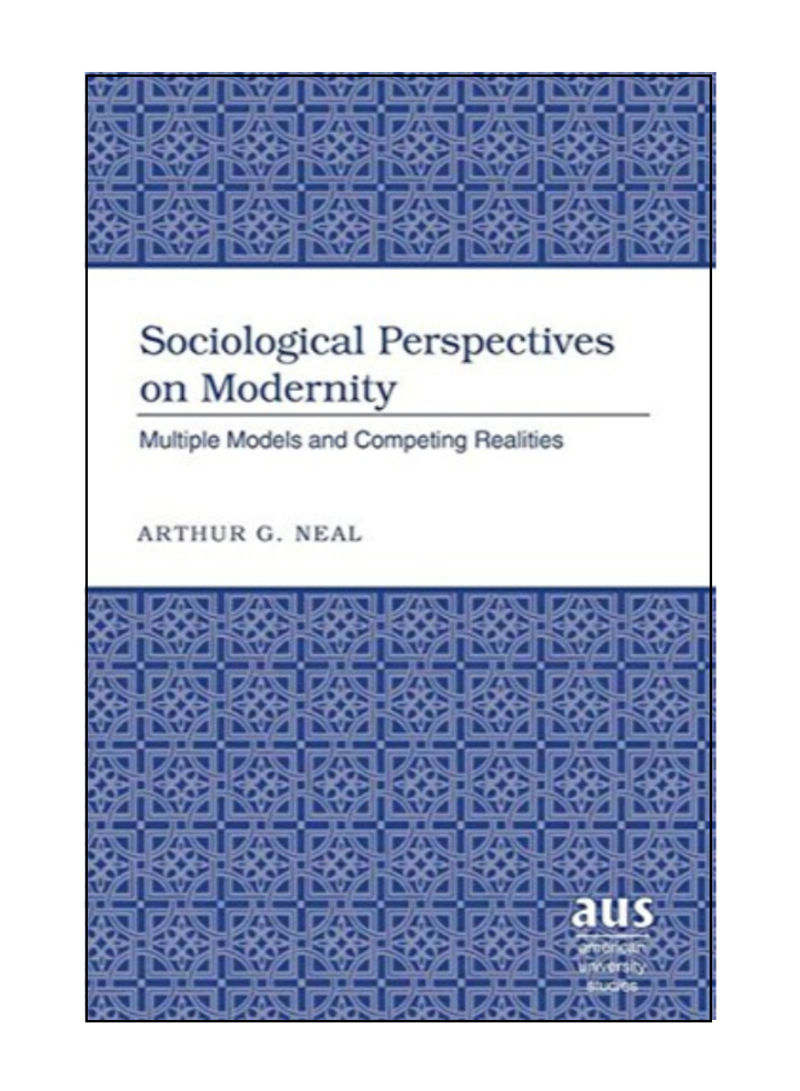
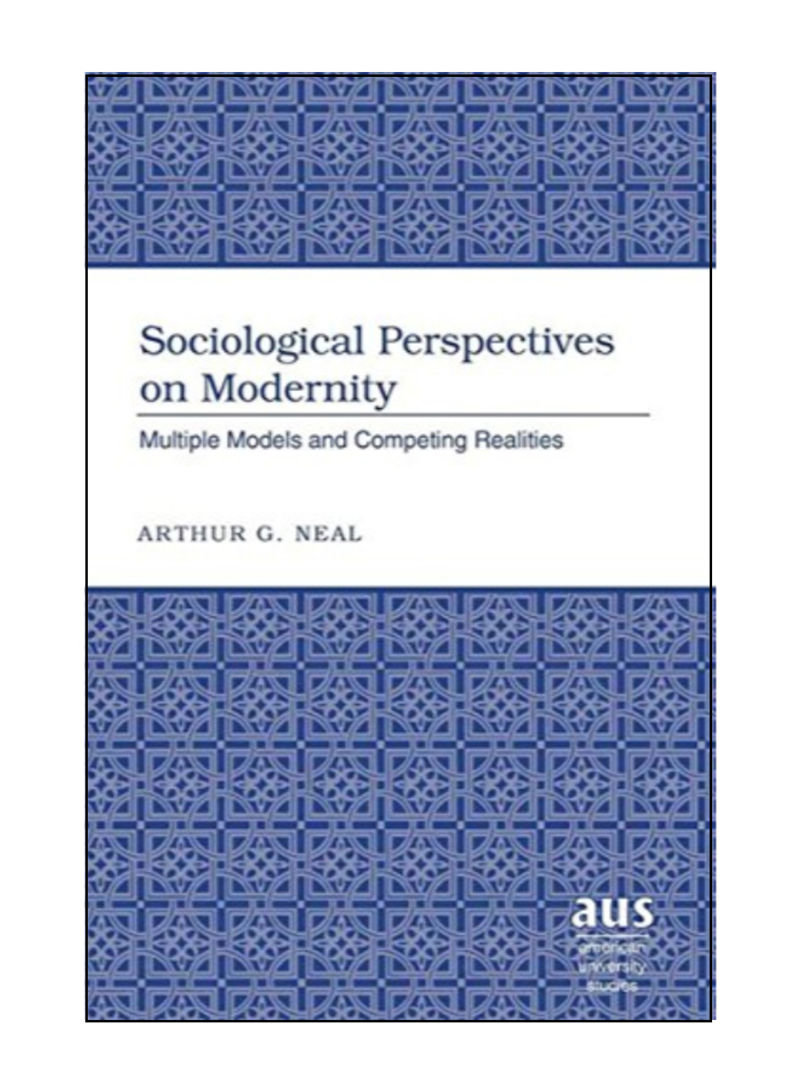
Sociological Perspectives On Modernity Hardcover 1
Recommend
Sort by
Rating
Date

Specifications
Author 1
Arthur G. Neal
Book Description
This book examines several sociological perspectives on the defining characteristics of modernity through the construction of conceptual models. Each model specifies the prime movers of the social system and the key agencies of change and development. According to one model, technology is the moving force in society, while another emphasizes metropolitan dominance, and yet another concentrates on materialistic values and consumerism. A growing number of social scientists perceive knowledge to be the driving force of modernity; yet others emphasize cultural pluralism or mass society. Because of the many ways dramatic changes are occurring in so many different directions at the same time, the multiple realities of modernity are recognized and clarified. Accelerations of experimentation and innovation are occurring in all areas of social life.
ISBN-13
9780820495194
Language
English
Publisher
Peter Lang Inc., International Academic Publi
Number of Pages
181
About the Author
The Author: Arthur G. Neal is Emeritus Distinguished University Professor of Sociology at Bowling Green State University and currently lives in Portland, Oregon. He is the author, co-author, or editor of more than twenty-five books and research monographs, including National Trauma and Collective Memory (2005), Ordinary Reactions to Extraordinary Events (2001), Memory and Representation (2001), Intimacy and Alienation (2000), Social Psychology: A Sociological Perspective (1983), and Violence in Animal and Human Society (1976). Recent journal articles have focused on the impact of globalization on family relations in China; collective trauma, apologies, and the politics of memory; confronting an ugly past; and the internment of Japanese Americans during World War II. His current research interests include prosthetic memory; Hiroshima in collective memory; student rebellion in the 1960s; and values expressed in popular culture.
Edition Number
1