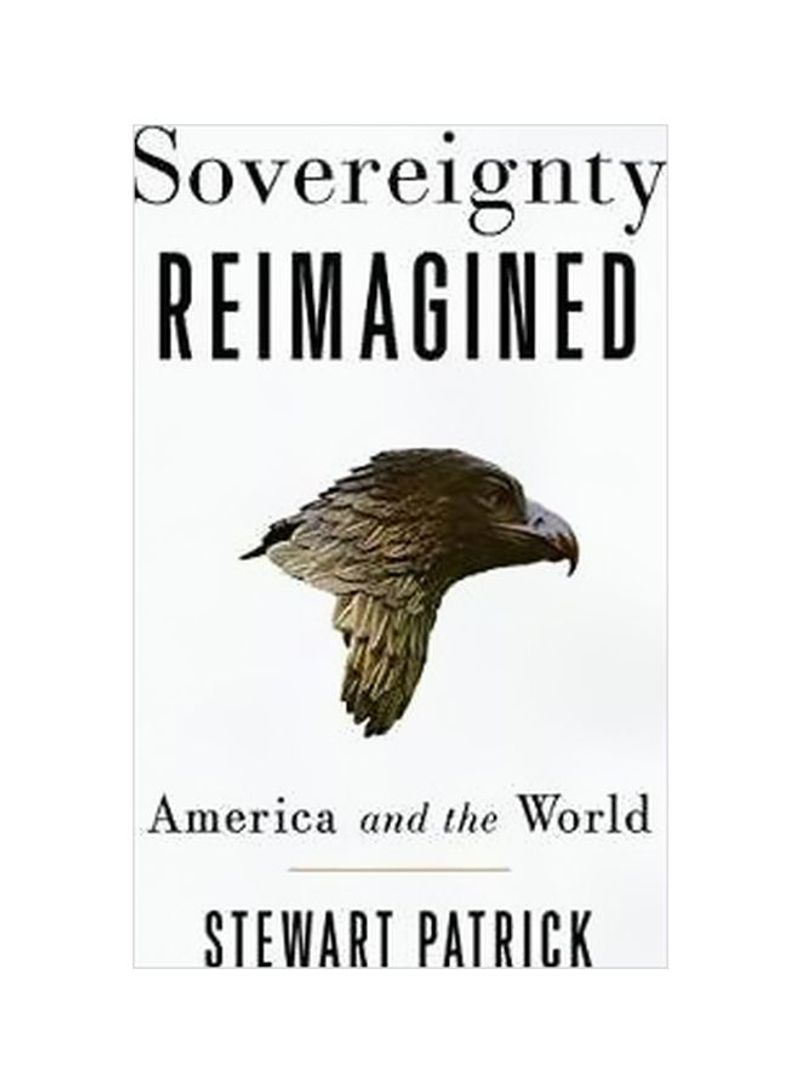


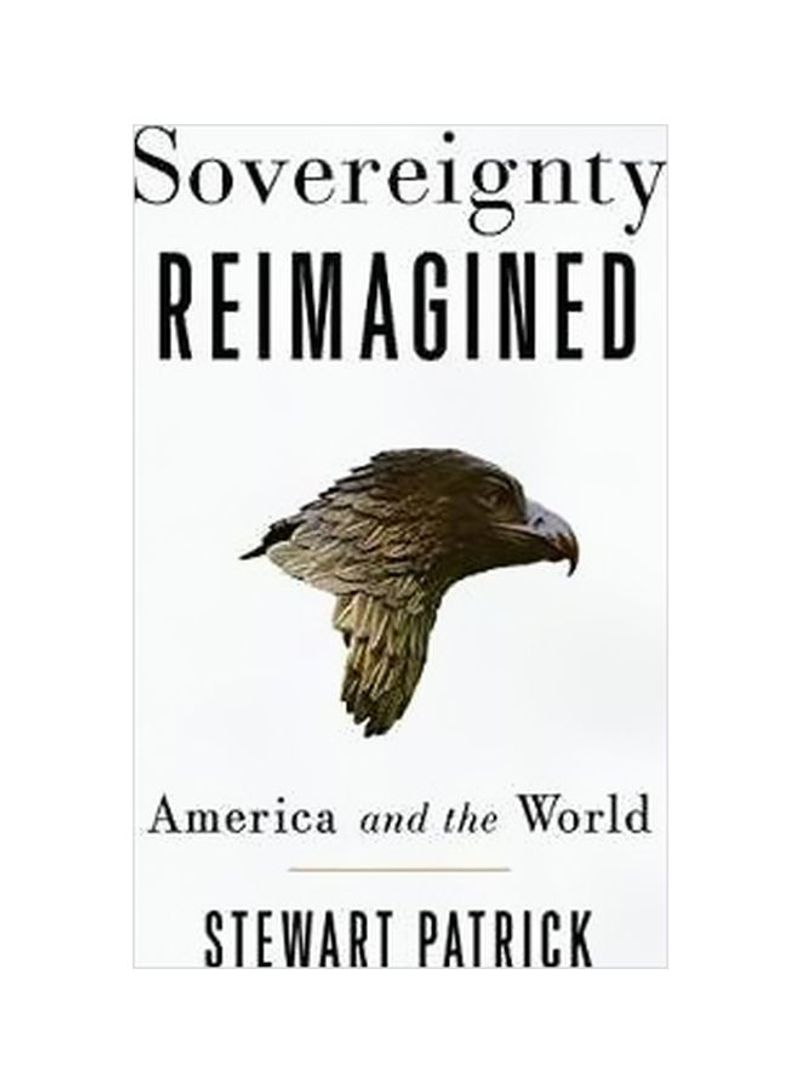
Sovereignty Reimagined : America And The World Hardcover
Recommend
Sort by
Rating
Date
Specifications
Author 1
Stewart Patrick
Book Description
Protecting sovereignty while advancing American interests in the global age. Americans have long been protective of the country's sovereignty--beginning when George Washington retired as president with the admonition for his successors to avoid ""permanent"" alliances with foreign powers. Ever since, the nation has faced periodic, often heated, debates about how to maintain that sovereignty, and whether and when it's appropriate to cede some of it in the form of treaties and the alliances about which Washington warned. As the recent election made clear, sovereignty is also one of the most frequently invoked, polemical, and misunderstood concepts in politics--particularly American politics. The concept wields symbolic power, implying something sacred and inalienable: the right of the people to control their fate without subordination to outside authorities. Given its emotional pull, however, the concept is easily highjacked by political opportunists. By playing the sovereignty card, they can curtail more reasoned debates over the merits of proposed international commitments by portraying supporters of global treaties or organizations as enemies of motherhood and apple pie. Such polemics distract Americans from what is really at stake in the sovereignty debate: namely, the ability of the United States to shape its destiny in a global age. The United States cannot successfully manage globalization, much less insulate itself from cross-border threats, on its own. As global integration deepens and cross-border challenges grow, the nation's fate is increasingly tied to that of other countries, whose cooperation will be needed to exploit the shared opportunities and mitigate the common risks of interdependence. Sovereignty Reimagined is intended to help today's policymakers think more clearly about what is actually at stake in the sovereignty debate and to provide some criteria for determining when it is appropriate to make bargains over sovereignty-and how to make them.
ISBN-13
9780815731597
Language
English
Publisher
BROOKINGS INSTITUTION
Publication Date
30/Dec/17
Number of Pages
330
About the Author
Stewart Patrick is the senior fellow and director of the program on International Institutions and Global Governance (IIGG) at the Council on Foreign Relations (CFR). His areas of expertise include multilateral cooperation in the management of global issues; U.S. policy toward international institutions, including the United Nations; and the challenges posed by fragile, failing, and post-conflict states. Patrick writes the blog, The Internationalist.
Editorial Review
The Sovereignty Wars is a compelling rejoinder to those who contend that a preoccupation with sovereignty will bolster America's perch. It is also a sobering warning to those who believe that policymakers simply need to wait for the populist storm to pass.--Ali Wyne, The RAND Blog Can Washington best advance its interests and values through international institutions or through its own national efforts and ad hoc partnership? At times, as Patrick illuminates in this cogent and timely book, this debate has turned into "sovereignty wars," heated controversies over whether the United States should accept constraints on its autonomy and freedom of action. . . . Cutting through the hyperbole and inflamed rhetoric that tends to surround this subject, Patrick argues that when the United States signs a treaty or ties itself to other countries, it is exercising its sovereign authority, not abdicating it.--G. John Ikenberry, Foreign Affairs Some of us look at the U.S., mighty superpower that it still is, and wonder just what in the world is going on. Fake news, Russia-gate, rampant anti-Trumpism, America First rhetoric, citizen polarization and pugnacious confrontations with other nations. How might we make some sense of this? Stewart Patrick's ambitious book, The Sovereignty Wars: Reconciling America with the World provides some answers.--Michael Welton, New York Journal of Books Patrick (Council on Foreign Relations) addresses the subject of state sovereignty and its controversial role in US foreign policy--past and present. The book is well-researched and written. Highly Recommended.--CHOICE With lucidity and verve, Stewart Patrick shows how the right-wing fixation with alleged threats to U.S. sovereignty--from the UN, foreign courts, human rights organizations, and other demonic forces--has damaged rather than enhanced American power. I implore the nationalist crowd to overcome its resistance and read this book.--James Traub, columnist, Foreign Policy, and author of John Quincy Adams: Militant Spirit Stewart Patrick has written a perfect Guide to the Perplexed that helps sort through the muddled arguments being thrown about today regarding perceived threats to American sovereignty and shows how international engagement often enhances rather than limits U.S. influence.--Frank Fukuyama, Olivier Nomellini Senior Fellow, Freeman Spogli Institute for International Studies, Stanford University In this intelligent and beautifully written book, Stewart Patrick has brought into sharp focus the deep, tangled, and contested ideas of sovereignty that swirl beneath the surface in foreign policy debates about America's role in the world. In illuminating the different meanings of sovereignty and the great historical struggles over them, The Sovereignty Wars provides the terms for new and enlightened thinking about America's global engagement.--G. John Ikenberry, Albert G. Milbank Professor of Politics and International Affairs, Princeton University Stewart Patrick unpacks a complex subject in a short, clear book that could not be more timely. The stakes in the 'sovereignty wars' he describes are high and rising for the United States and the world.--Anne-Marie Slaughter, President and CEO, New America