


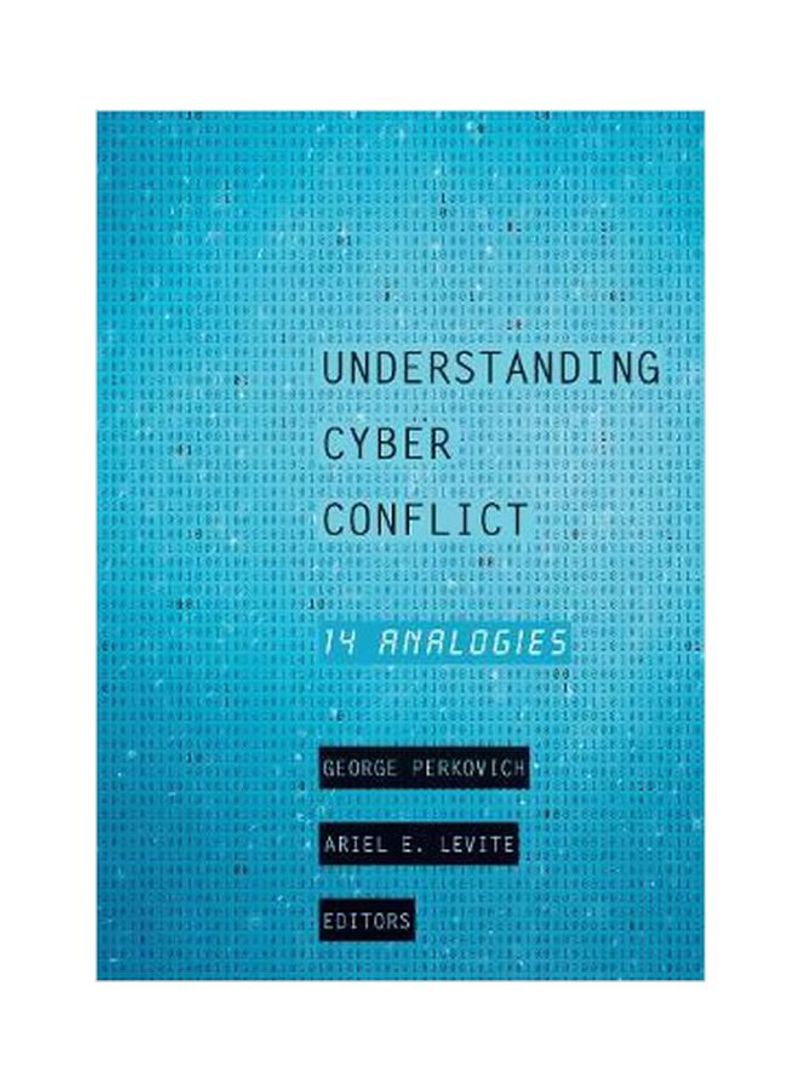
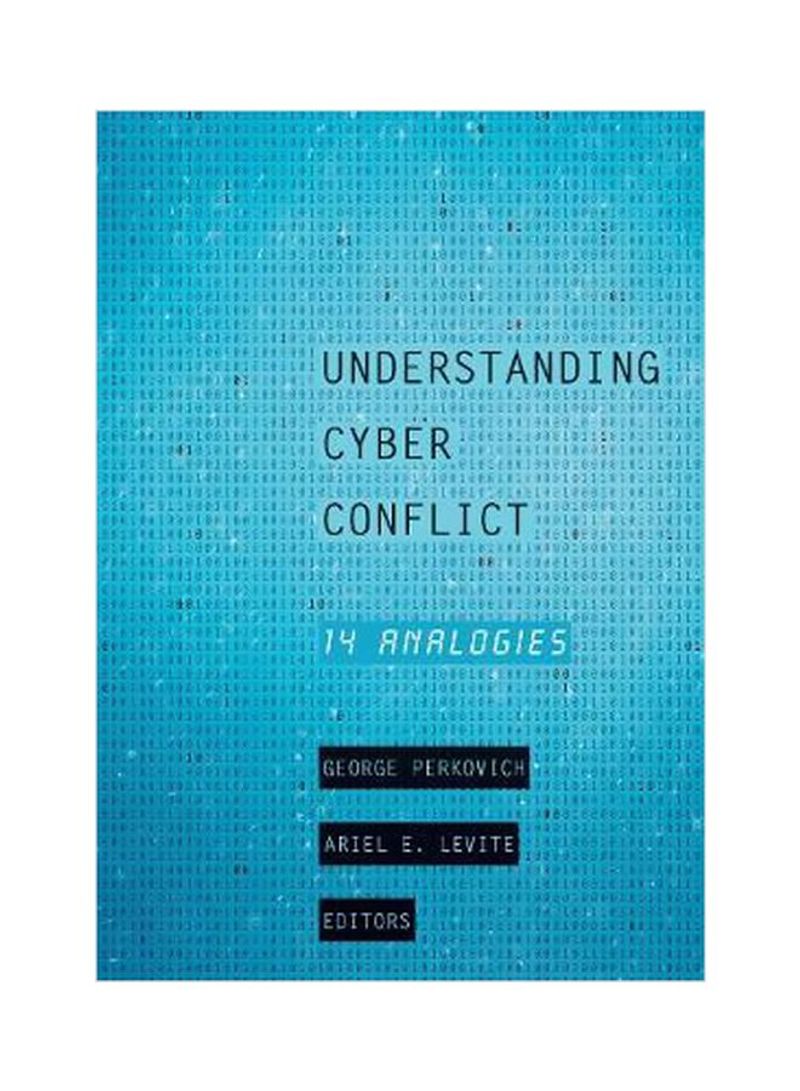
Understanding Cyber Conflict: Fourteen Analogies Paperback
Recommend
Sort by
Rating
Date

Specifications
Author 1
George Perkovich
Book Description
Cyber weapons and the possibility of cyber conflict-including interference in foreign political campaigns, industrial sabotage, attacks on infrastructure, and combined military campaigns-require policymakers, scholars, and citizens to rethink twenty-first-century warfare. Yet because cyber capabilities are so new and continually developing, there is little agreement about how they will be deployed, how effective they can be, and how they can be managed. Written by leading scholars, the fourteen case studies in this volume will help policymakers, scholars, and students make sense of contemporary cyber conflict through historical analogies to past military-technological problems. The chapters are divided into three groups. The first-What Are Cyber Weapons Like?-examines the characteristics of cyber capabilities and how their use for intelligence gathering, signaling, and precision striking compares with earlier technologies for such missions. The second section-What Might Cyber Wars Be Like?-explores how lessons from several wars since the early nineteenth century, including the World Wars, could apply-or not-to cyber conflict in the twenty-first century. The final section-What Is Preventing and/or Managing Cyber Conflict Like?-offers lessons from past cases of managing threatening actors and technologies.
ISBN-10
1626164983
ISBN-13
9781626164987
Language
English
Publisher
Georgetown University Press
Publication Date
18/Dec/17
Number of Pages
309
About the Author
George Perkovich is Vice President for Studies at the Carnegie Endowment for International Peace and author of several books including the award-winning India's Nuclear Bomb. Ariel E. Levite is a nonresident senior associate in the Nuclear Policy Program and the Cyber Policy Initiative at the Carnegie Endowment for International Peace.
Editorial Review
A first-rate cast of contributors. --Foreign Affairs