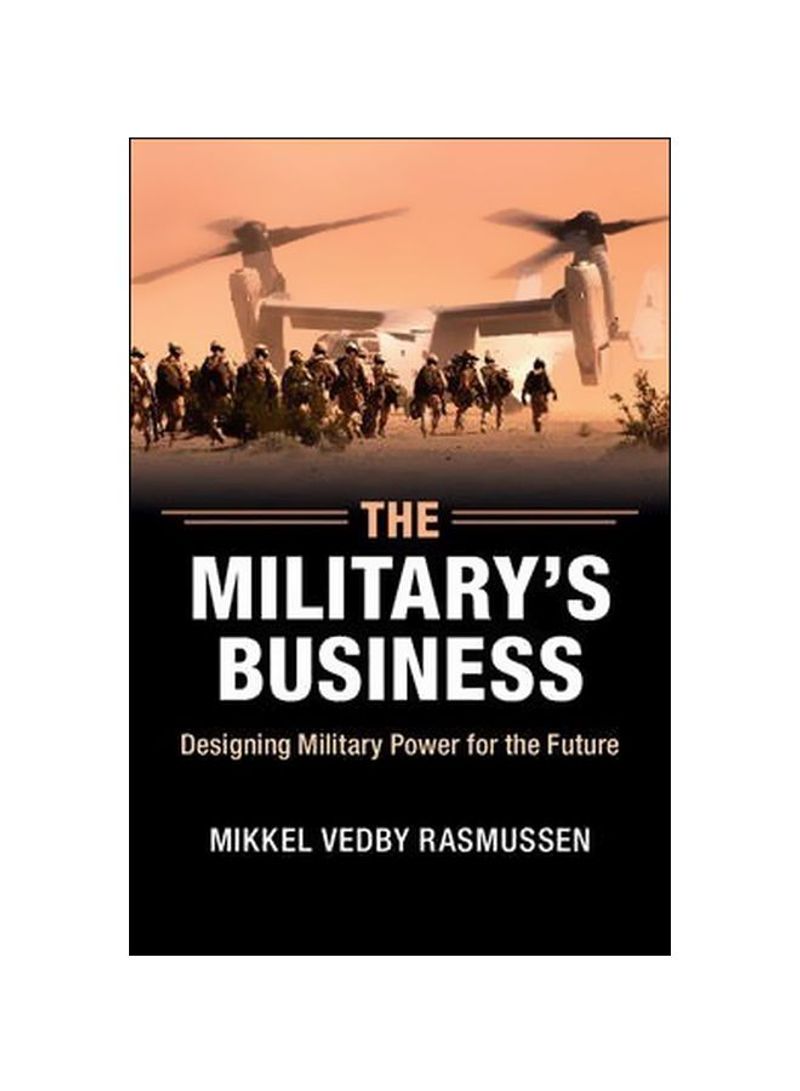


The Military's Business Paperback English by Mikkel Vedby Rasmussen - 31-Mar-15
Recommend
Sort by
Rating
Date
Specifications
Author 1
Mikkel Vedby Rasmussen
Book Description
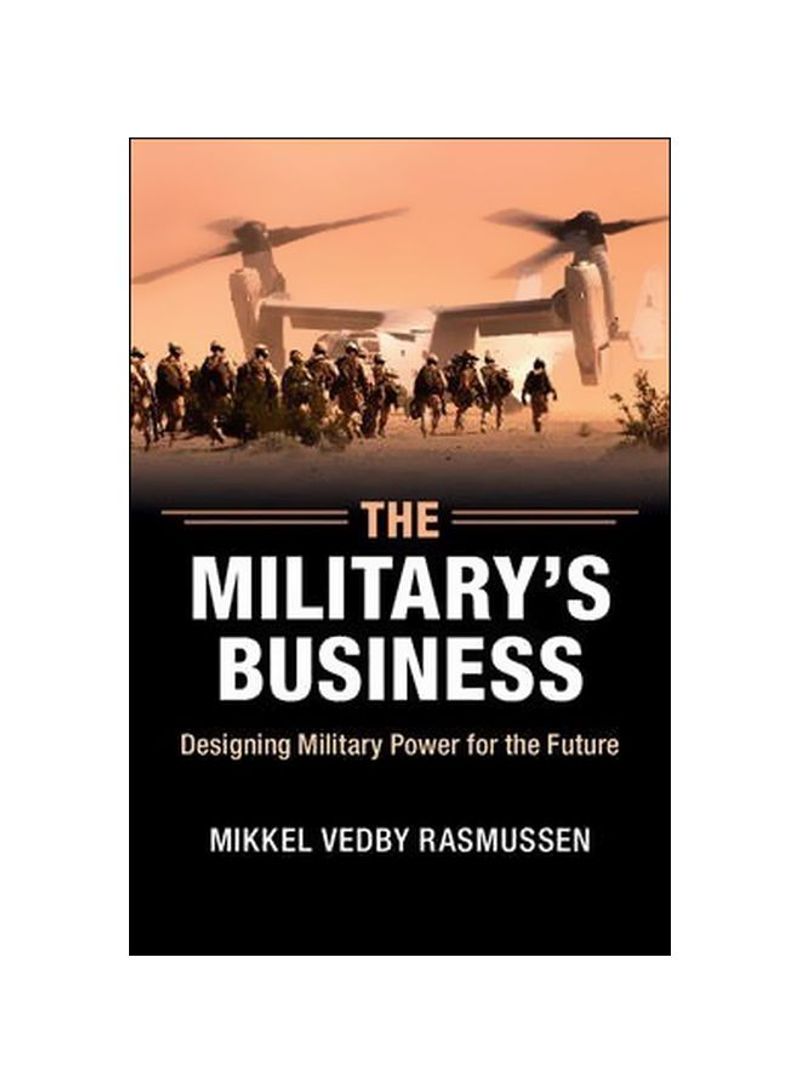
If the military were a business, would you buy shares? Over recent years, Western armed forces, particularly the US, have been costing more yet achieving less. At the same time, austerity measures are reducing defence budgets. This book uses defence data to examine the workings of modern Western militaries and explore what kind of strategies can overcome this gap between input and output. Instead of focusing on military strategy, Mikkel Vedby Rasmussen seeks to draw on the ideas of business strategy to assess alternative business cases - reforming military HR to combat instability in the 'Global South' or utilising new technologies to overcome the prohibitive costs of current systems. Analysing the philosophical, strategic and budgetary underpinnings of these alternatives, he concludes that a more radical break from current military organisational practices is needed which would allow them to fit within a nation's overall national security system without ever-increasing budgets.
ISBN-10
1107477352
ISBN-13
9781107477353
Language
English
Publisher
Cambridge University Press
Publication Date
31-Mar-15
Number of Pages
232
About the Author
Mikkel Vedby Rasmussen is a professor at the University of Copenhagen. He is currently on leave working on policy development in the Danish Ministry of Defence. Rasmussen has previously headed the Centre for Military Studies and the Danish Institute for Military Studies in Copenhagen. He was published widely on security and defence matters, including The Risk Society at War (Cambridge University Press, 2006).
Editorial Review
Why are Western armed forces achieving less and costing more, asks the author. Why, we might add, if the trend continues they seem to be fated to occupy a modest evolutionary niche? Rasmussen has produced not only a lucid, informed and compelling critique of the West's failed military business model but also a set of prescriptions it would be wise to take on board before it is too late.' Christopher Coker, London School of Economics and Political Science 'In this brilliant book, Rasmussen explores why states are getting ever less bang for their bucks. Finding that defence 'shopping lists' have replaced 'strategy', he draws on business studies to show how Western militaries need to be redesigned for the 21st century. In an age of continued austerity, with Europe facing military challenges to the east and the south, this really is an essential read.' Theo Farrell, Head of the Department of War Studies, King's College London 'The Military's Business is both a crash course in military and business strategy and an empirical analysis of historical developments. At its finest, the book manages to apply philosophical terms to mundane phenomena such as defense procurement and management and, in doing so, it makes a number of interesting reflections on how societies think about and utilize their militaries.' Nikolaj K. Andersen, Global Readers' Club "Why are Western armed forces achieving less and costing more, asks the author. Why, we might add, if the trend continues they seem to be fated to occupy a modest evolutionary niche? Rasmussen has produced not only a lucid, informed and compelling critique of the West's failed military business model but also a set of prescriptions it would be wise to take on board before it is too late." Christopher Coker, London School of Economics and Political Science "In this brilliant book, Rasmussen explores why states are getting ever less bang for their bucks. Finding that defence "shopping lists" have replaced "strategy", he draws on business studies to show how Western militaries need to be redesigned for the 21st century. In an age of continued austerity, with Europe facing military challenges to the east and the south, this really is an essential read." Theo Farrell, Head of the Department of War Studies, King's College London 'The Military's Business is both a crash course in military and business strategy and an empirical analysis of historical developments. At its finest, the book manages to apply philosophical terms to mundane phenomena such as defense procurement and management and, in doing so, it makes a number of interesting reflections on how societies think about and utilize their militaries.' Nikolaj K. Andersen, Global Readers' Club.