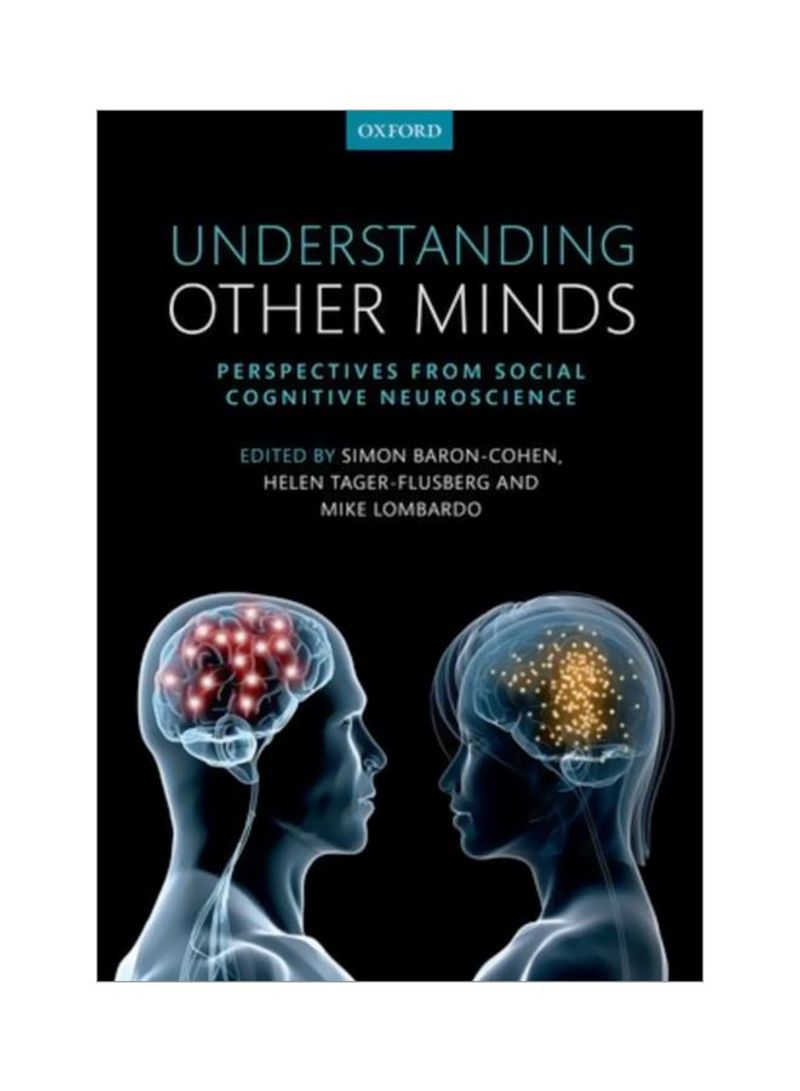


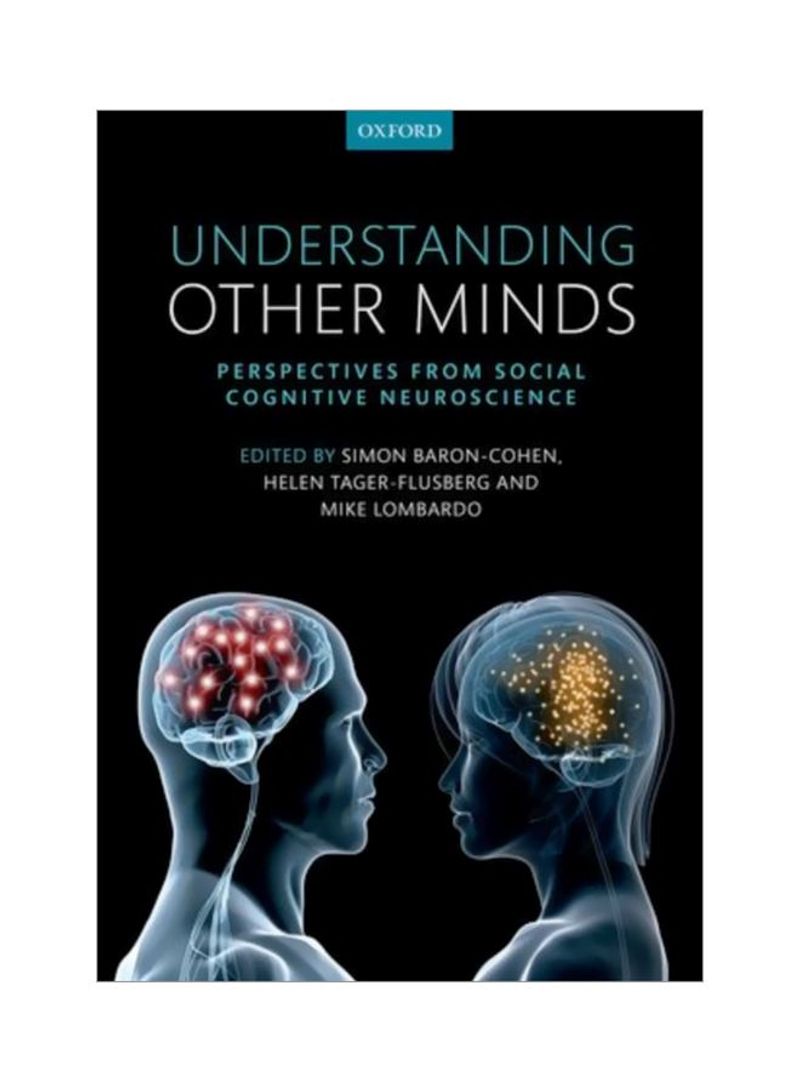
Understanding Other Minds: Perspectives From Developmental Social Neuroscience Paperback 3
Recommend
Sort by
Rating
Date
Specifications
Grade
New
Book Description
This book comprises 26 exciting chapters by internationally renowned scholars, addressing the central psychological process separating humans from other animals: the ability to imagine the thoughts and feelings of others, and to reflect on the contents of our own minds theory of mind (tom). The four sections of the book cover developmental, cultural, and neurobiological approaches to tom across different populations and species. The chapters explore the earliest stages of development of tom in infancy, and how plastic tom learning is; why 3-year-olds typically fail false belief tasks and how tom continues to develop beyond childhood into adulthood; the debate between simulation theory and theory theory; cross-cultural perspectives on tom and how tom develops differently in deaf children; how we use our tom when we make moral judgments, and the link between emotional intelligence and tom; the neural basis of tom measured by evoked response potentials, functional magnetic resonance imaging, and studies of brain damage; emotional vs. Cognitive empathy in neuropsychiatric conditions such as autism, schizophrenia, and psychopathy; the concept of self in autism and teaching methods targeting tom deficits; the relationship between empathy, the pain matrix and the mirror neuron system; the role of oxytocin and fetal testosterone in mentalizing and empathy; the heritability of empathy and candidate single nucleotide polymorphisms associated with empathy; and tom in non-human primates. These 26 chapters represent a masterly overview of a field that has deepened since the first edition was published in 1993
ISBN-13
9780199692972
Language
English
Publisher
Oxford University Press, USA
Publication Date
11 Sep 2013
Number of Pages
518
Editor 1
Simon Baron-Cohen
Edition Number
3
Editor 2
Michael Lombardo
Editorial Review
There is no Better Way to Keep up to Date With Research on Theory of Mind Than Through These State-of-The-Art reviews. Here, New Voices Are Heard That Brim With Fresh Ideas on How Our Mind Can Understand itself. This Third Volume of a Now Classic Series is Essential Reading if You Wish to Keep Abreast of a Rapidly Evolving Area of Developmental Neuroscience - Uta Frith, Ucl Institute of Cognitive Neuroscience
Editor 3
Helen Tager-Flusberg